Kanoe
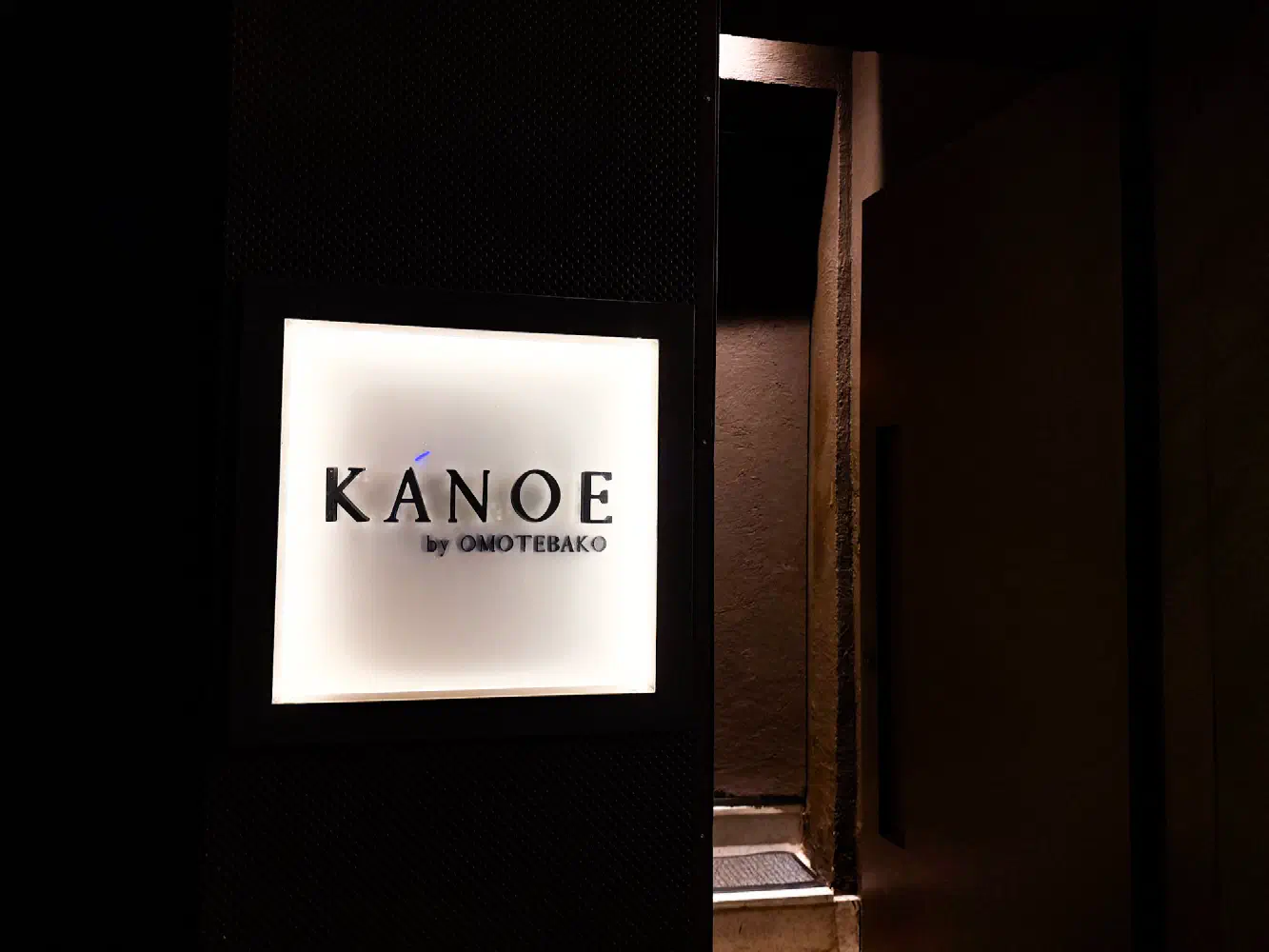
Chef Tadashi names this restaurant after his grandmother, who was the first person to support him in his pursuit of cooking and traveling the world. He is Brazilian born chef of Japanese descent, but is fluent in English, Japanese, and Brazilian Portuguese. In addition to his very cultured background, he’s led service at Hiden in Miami, and he has worked with famed chef Nobu Matsuhisa across Europe. Kanoe offers just 8 seatings per night. One of the most respectable and key reasons for this is Chef Tadashi values work and life balance for himself and his employees.
One of the key reasons why I decided on this Japanese restaurant over everything else is simply because this one was more experimental and strayed away from typical omakases that I can get in NYC. Aside from the fish selection, I wanted to experiment with some different flavors, styles, and techniques.
Ambiance & Service
The service was very exquisite. Chef Tadashi is present and can banter in English, Japanese, and Portuguese. He explained each course very thoroughly, and he was very friendly in ensuring we got what we needed from our foods and drinks. There’s none of this super performative dance in clearing dishes, since everyone is trying to prepare the courses quickly with precision.
Food
Each of the tastings were R$1,400 per person.
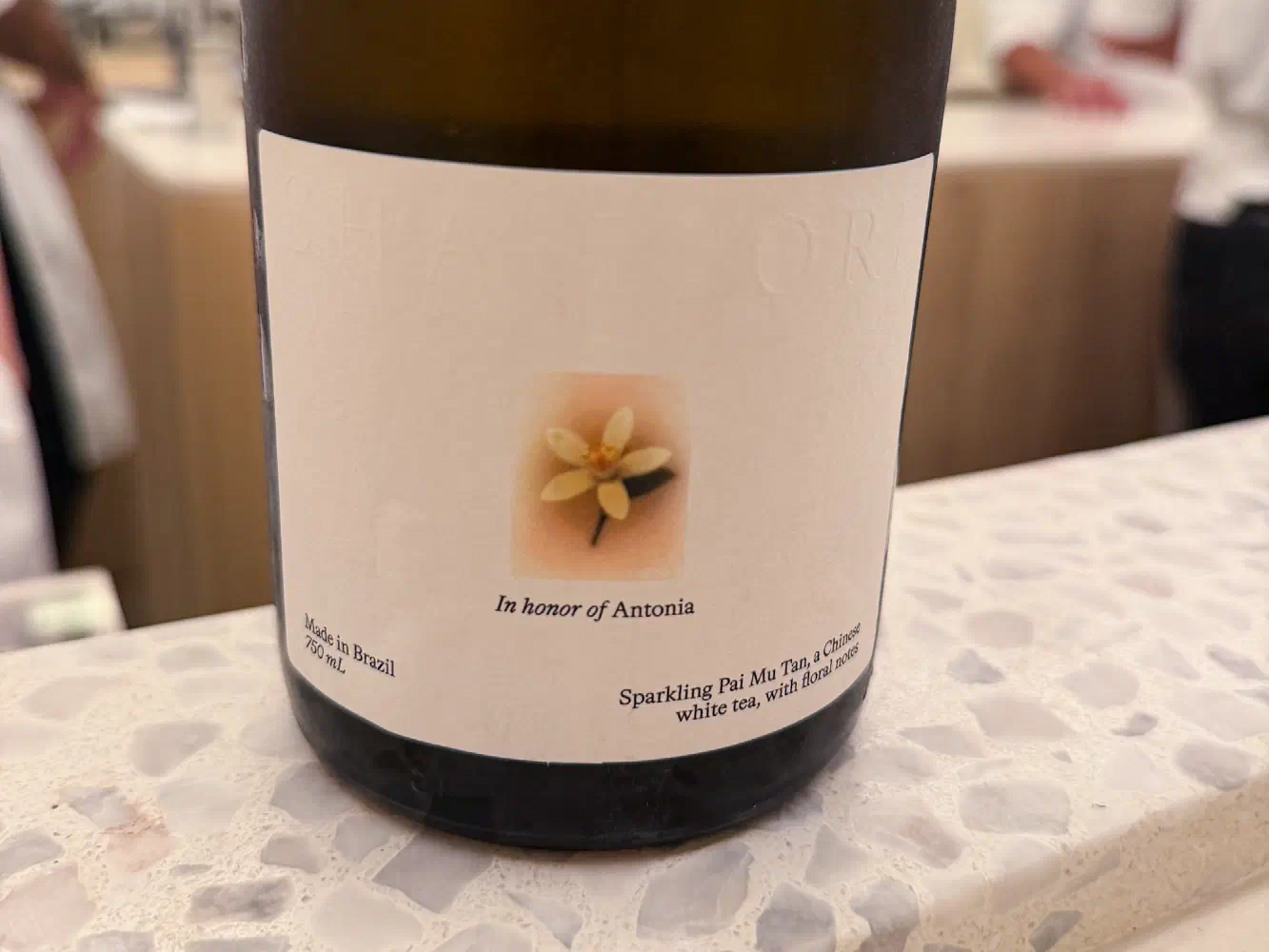
The Shantori Cha Sparkling (R$160) is non-alcoholic and made in Brazil. The website for this drink maker is https://shantori.com.br/. This is made with Pai Mu Tan (a white tea from China), roses, orange, carrot, and vanilla. There is some whole white grape juice and other ingredients. This is really similar to the Copenhagen Sparkling Tea, except it’s made exclusively in Brazil.
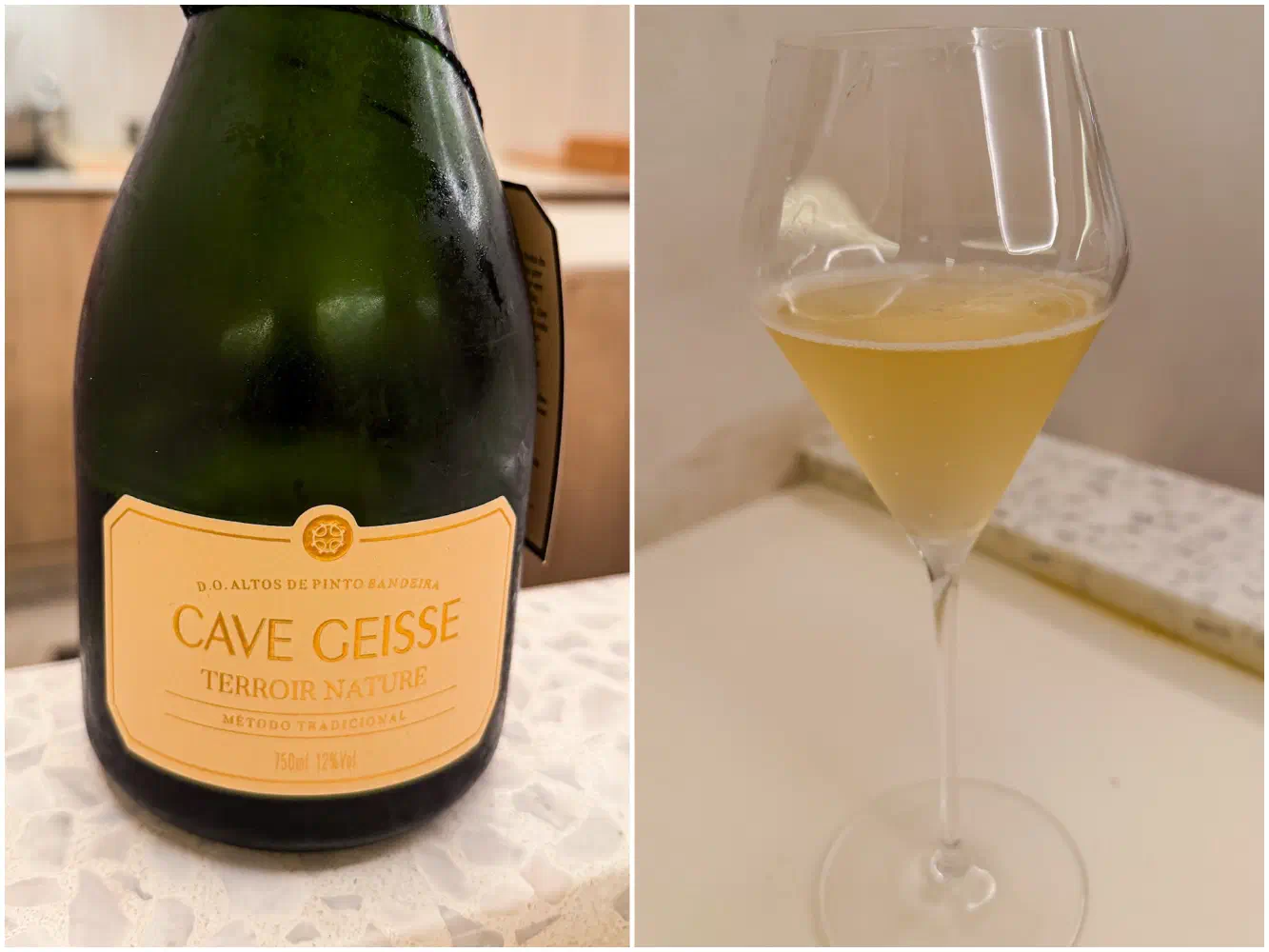
This is the Cava Geisse Terroir Nature (R$190) sparkling white wine from Serra Gaucha, Rio Grande do Sul, Brazil, 2020. This was surprisingly really tasty, as there’s no additive sugars to this and has wonderful flavors coming from the land in Serra Gaucha. There’s another vineyard that I enjoy from that region, Era dos Ventos. It’s going to be a while till Brazilian wine makes it onto the USA map, but I think they got something going.
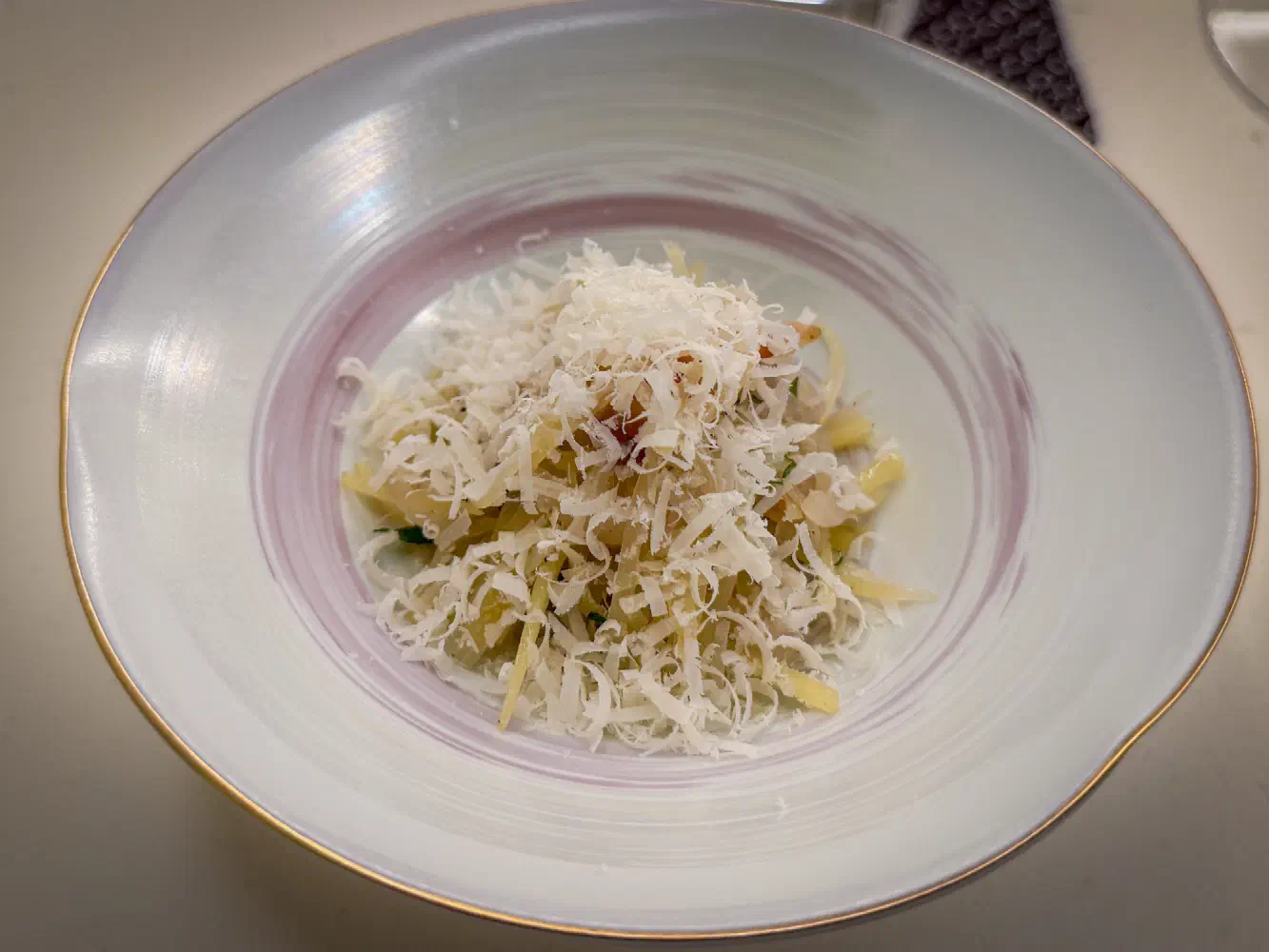
This is a Welcome Dish, that they serve as a staff meal. It’s kind of a play on carbonara, where it’s sliced potato, quickly sauteed and served with cheese and some vegetables.
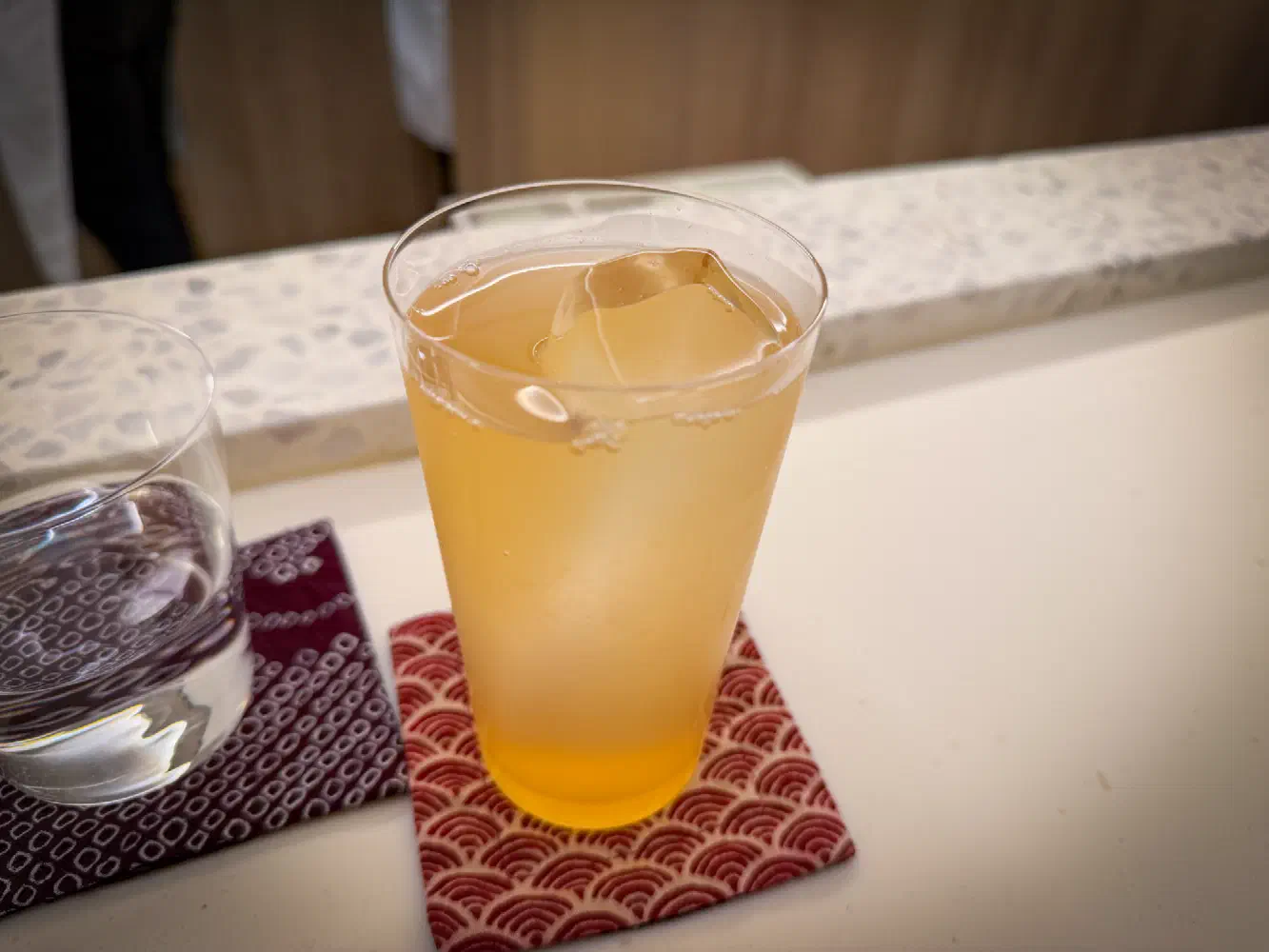
The Cajuina soda (R$65) was freshly prepared with sparkling water, ice, and caju syrup. This was very fantastic, full of flavor, especially if you’re as big of a fan of caju as I am. I’d order this every time.
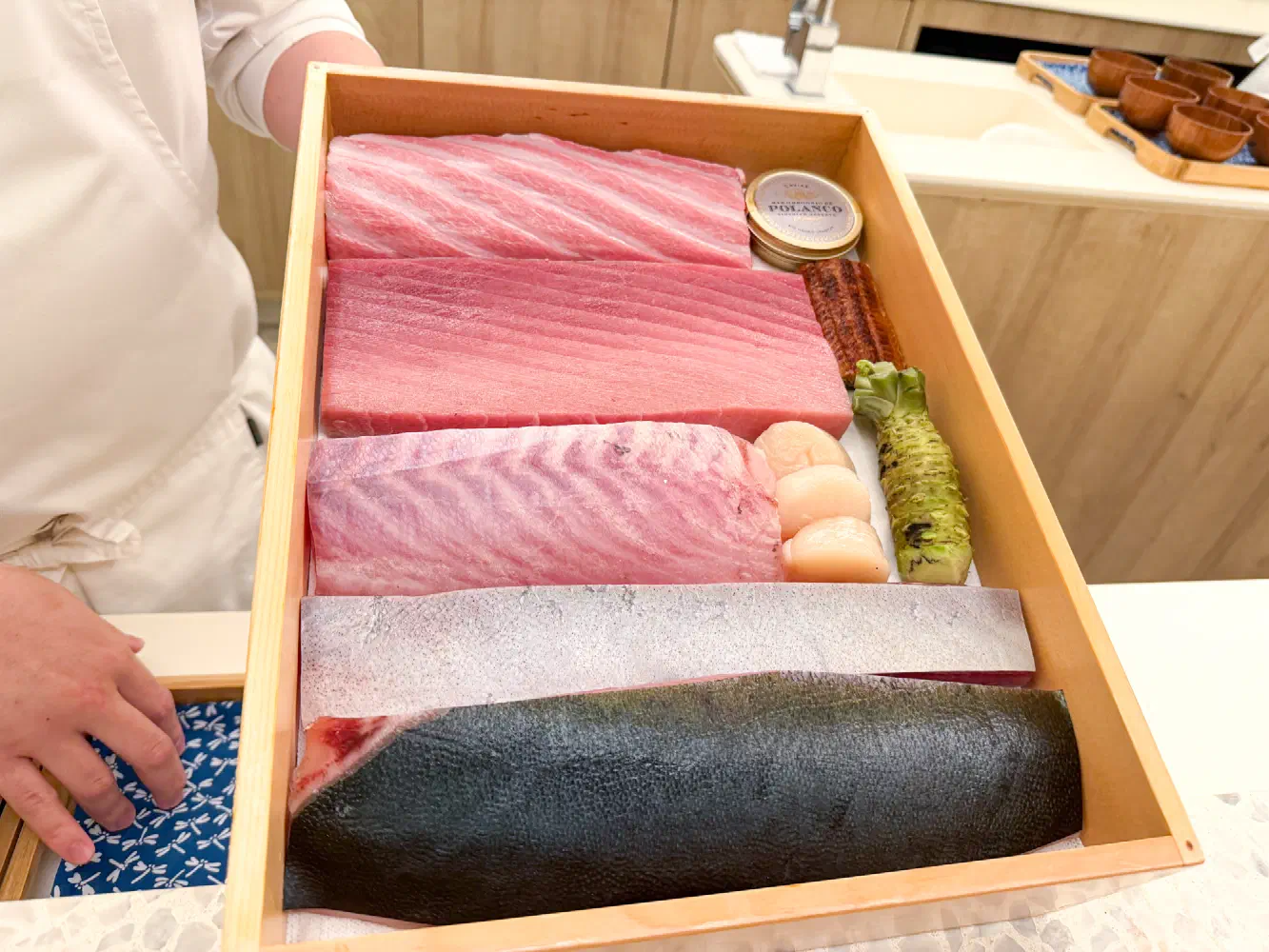
Here is a showing of the different fish pieces used throughout the meal, including the Brazilian grown wasabi root.
What’s interesting about the rice for the tuna is that the rice will be heavily seasoned with vinegar, so there’s quite a large amount of umami in each bite.
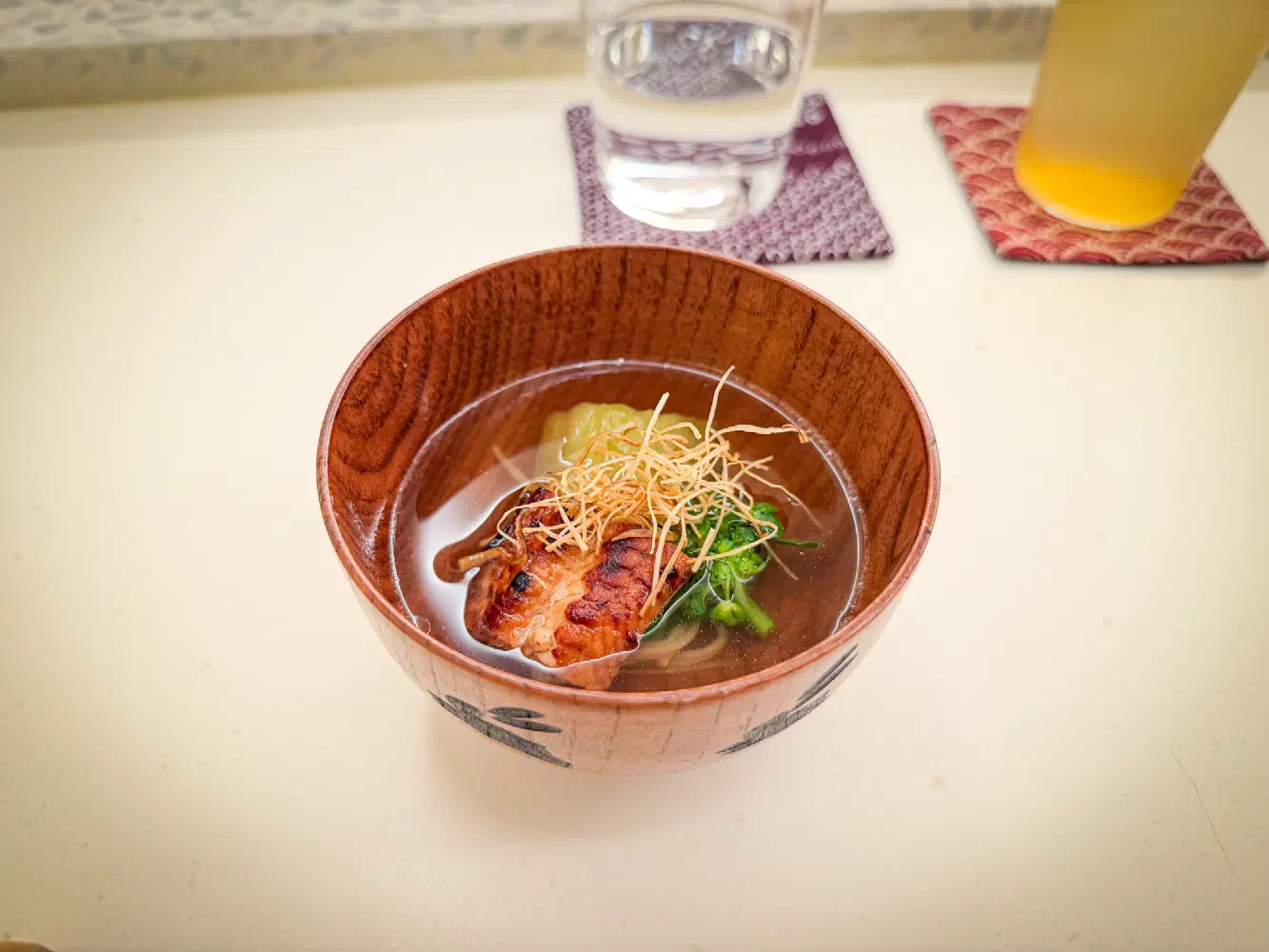
This is the Unagi, Seasonal Vegetables, and Dashi. It’s a clean broth with Japanese aubergine, broccoli, with crispy burdock root on top. This soup was very flavorful despite being light in texture.
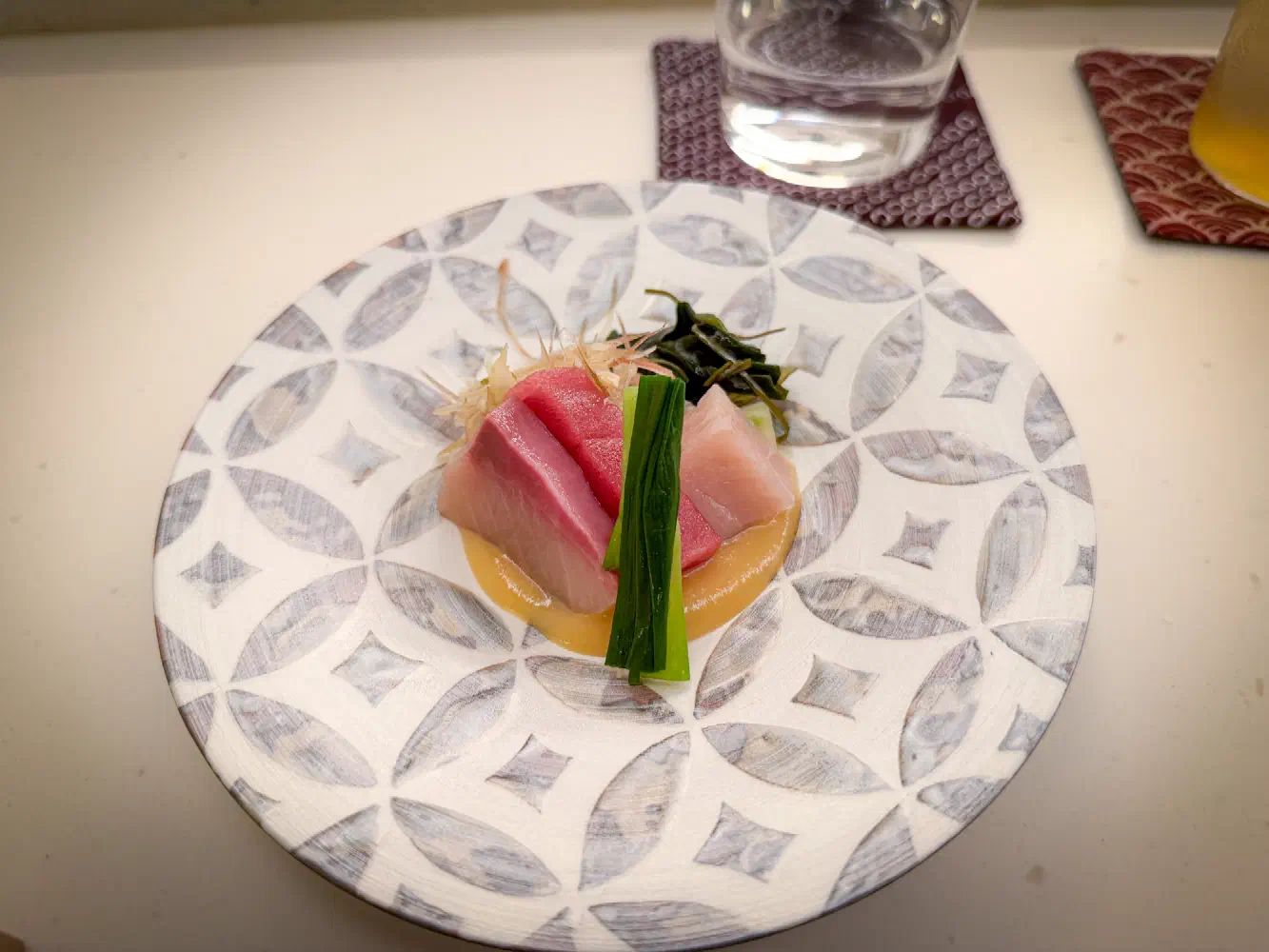
The Toro, Hamachi, Karashi Su-miso came with miso and rice vinegar. Instead of wasabi, they use Japanese mustard. They provided some scallion like vegetable cuts, which provided the fragrance of a young ginger. It surprisingly did not bother my partner who loathes ginger.
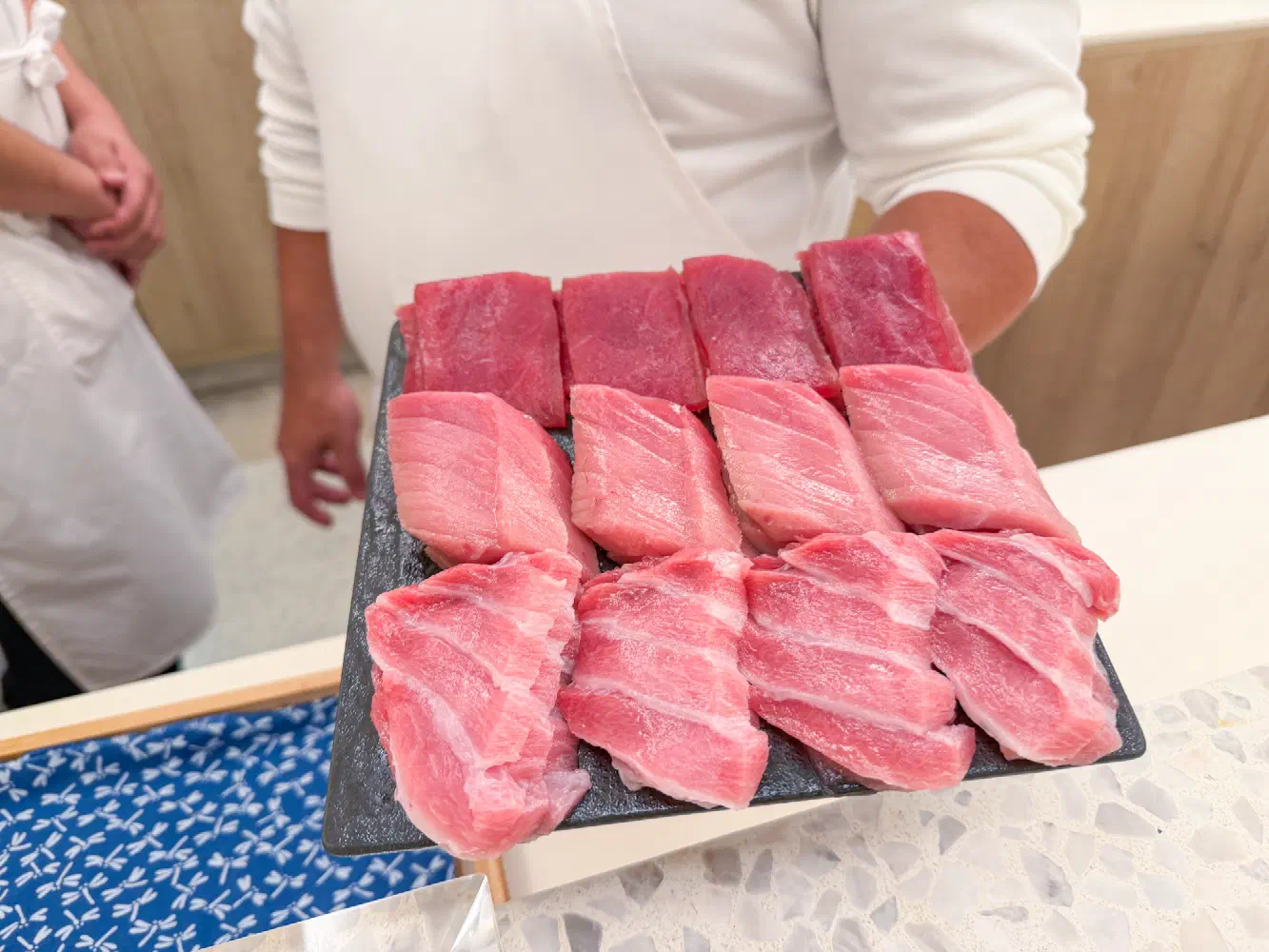
For the next 3 sushi pieces, they provided different tuna cuts.
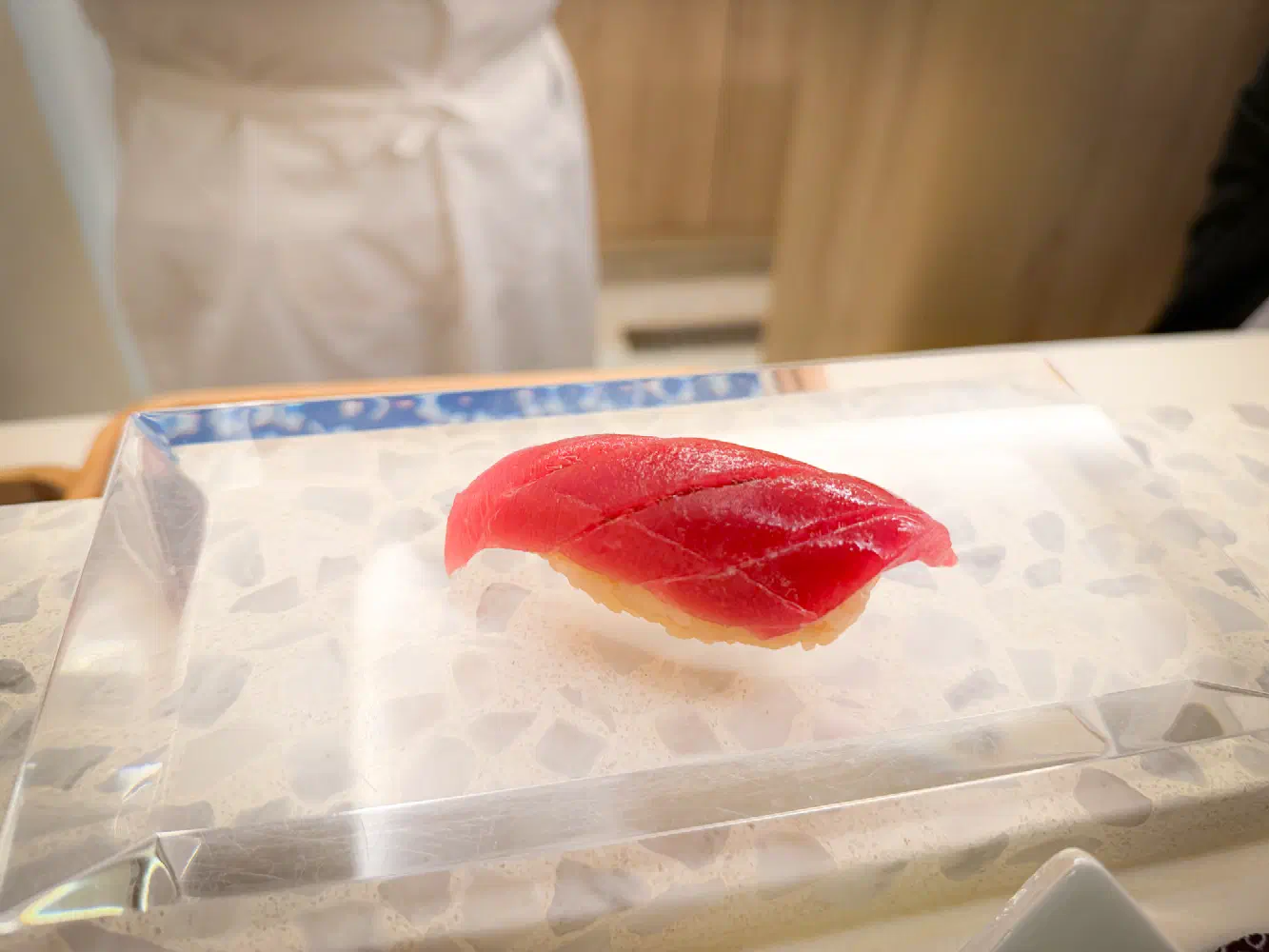
The Tuna Akami is the prized back muscle of a bluefin tuna. This tuna piece was very delectable.
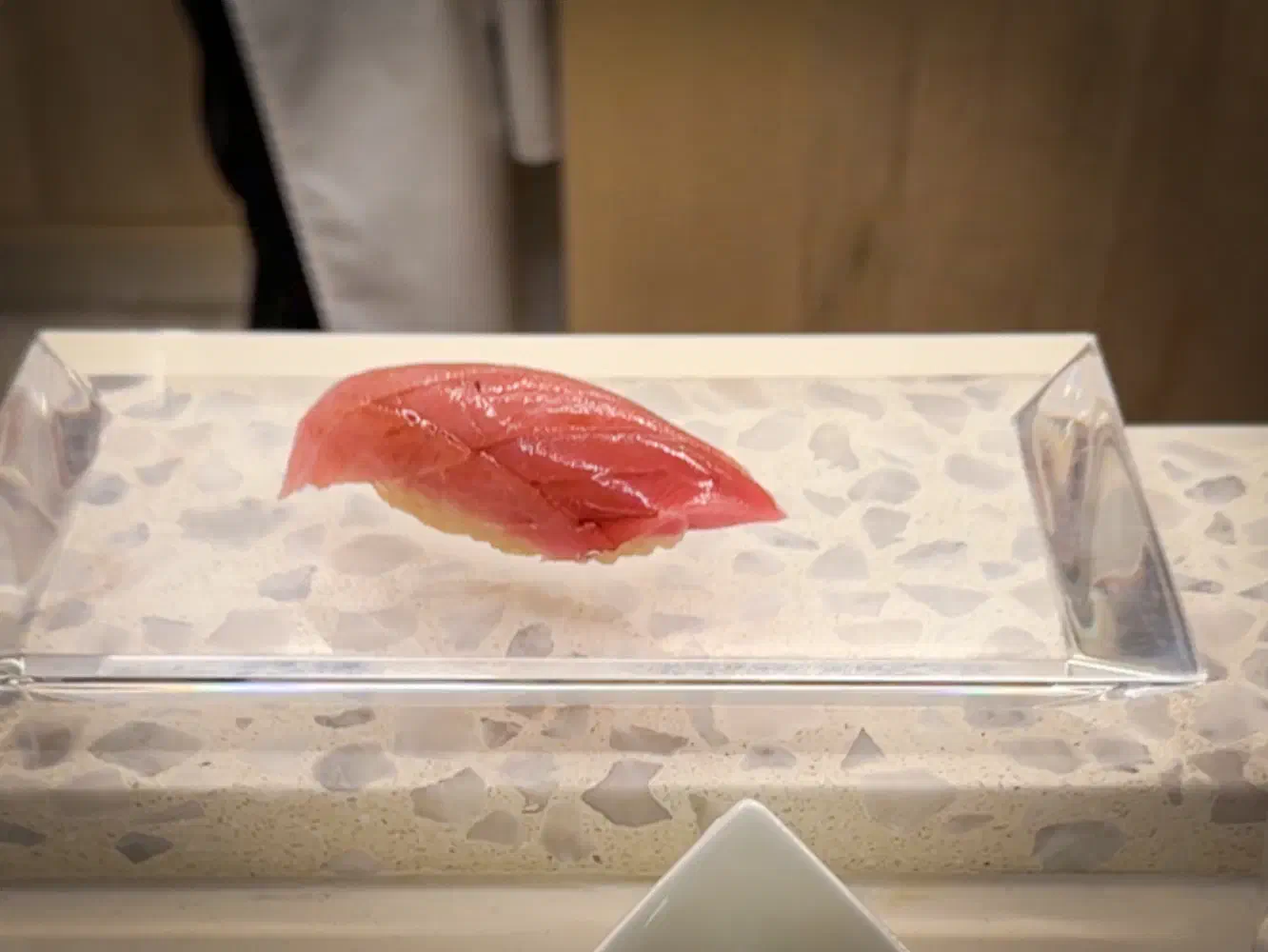
The Tuna Toro is one of the most well known tuna pieces. It’s basically the tuna belly. This melted in your mouth.
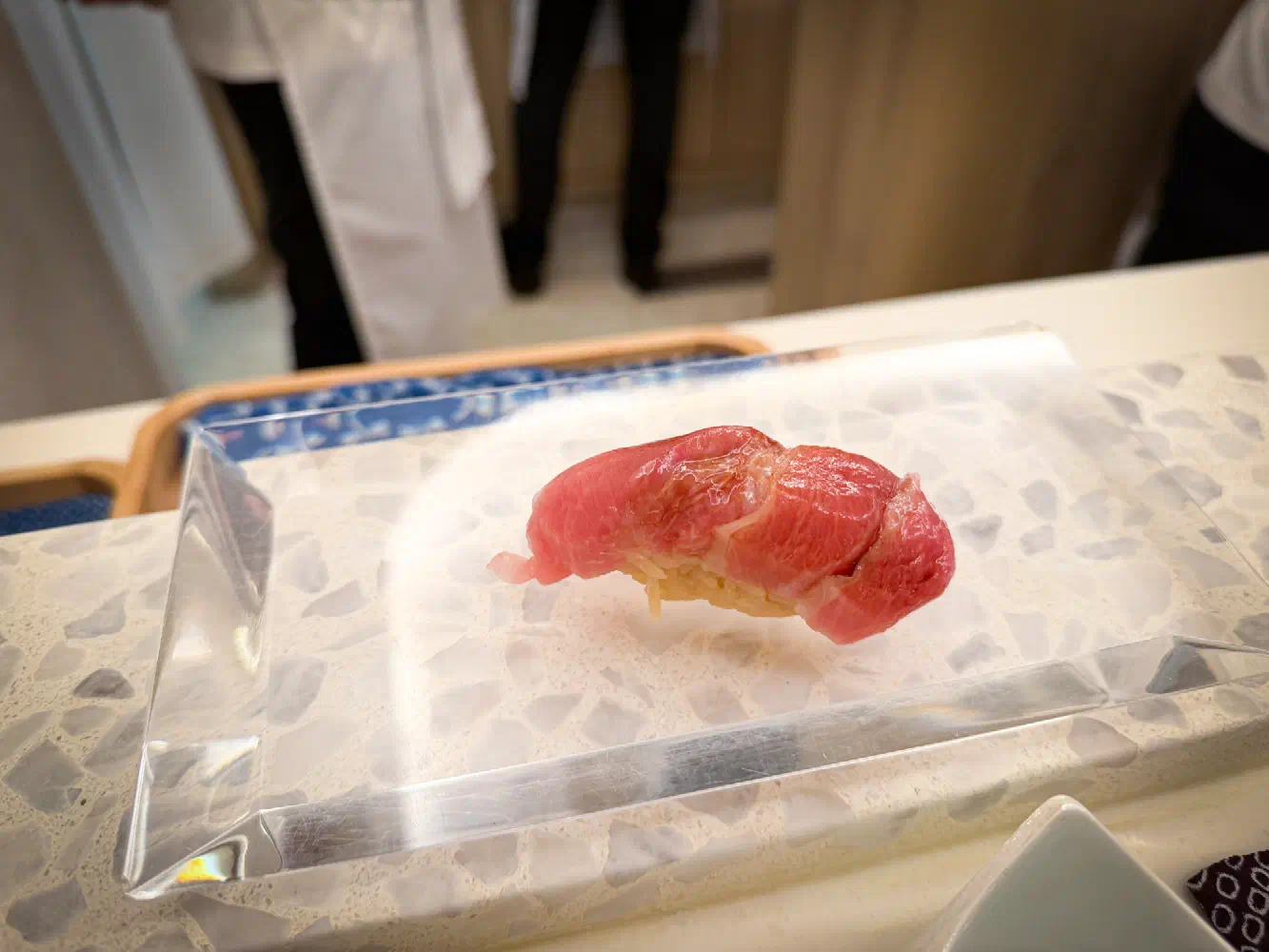
And finally here comes the Tuna Otoro, which is one of the fattiest and most luxurious cut from the belly. It’s extremely rich, decadent, creamy, and soft.
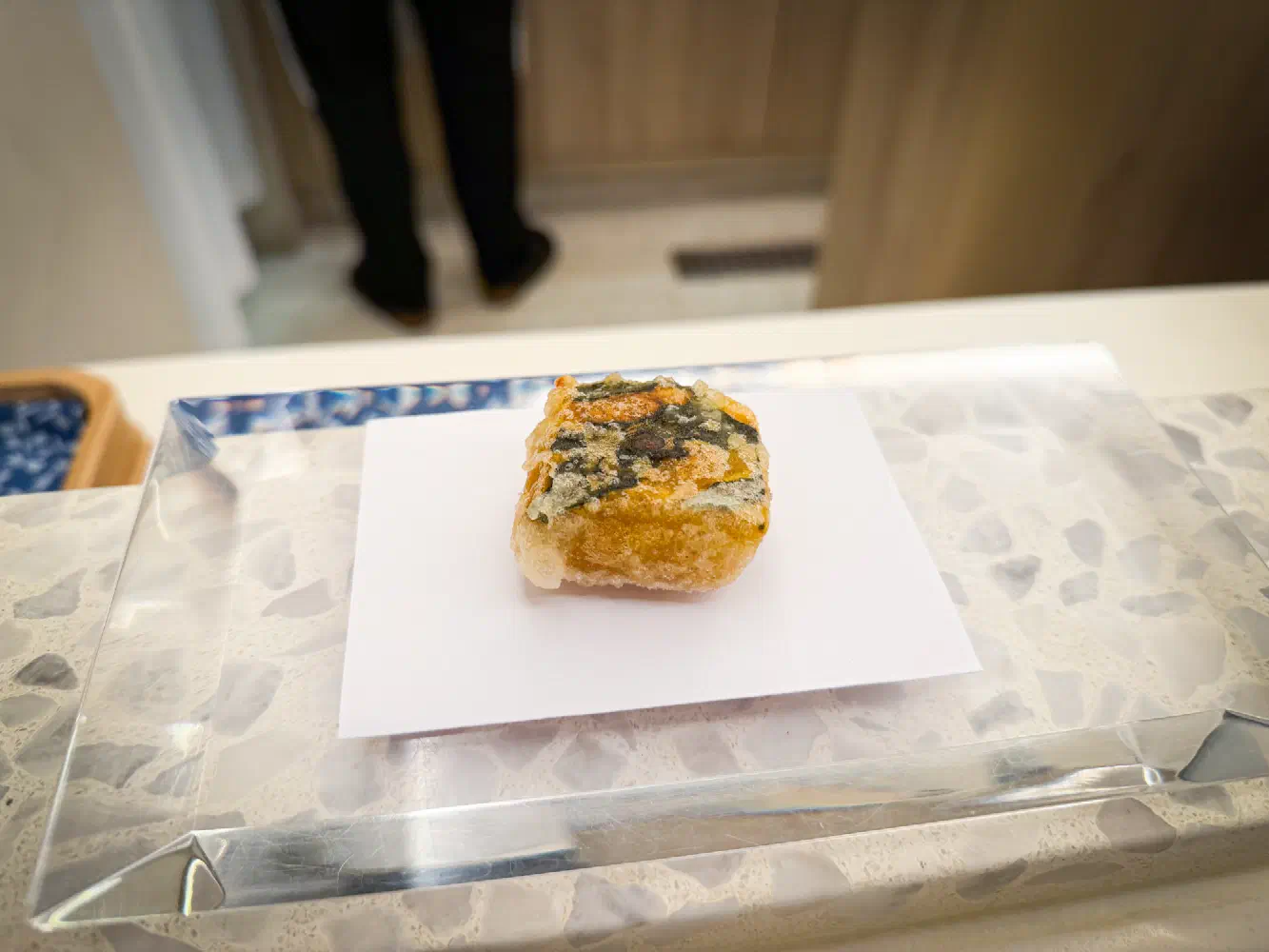
Here is the Kabocha Tempura. Kabocha is basically squash, but this piece happens to be extremely sweet. The tempura batter was light, crunchy, and did not take away from the flavor of the kabocha.
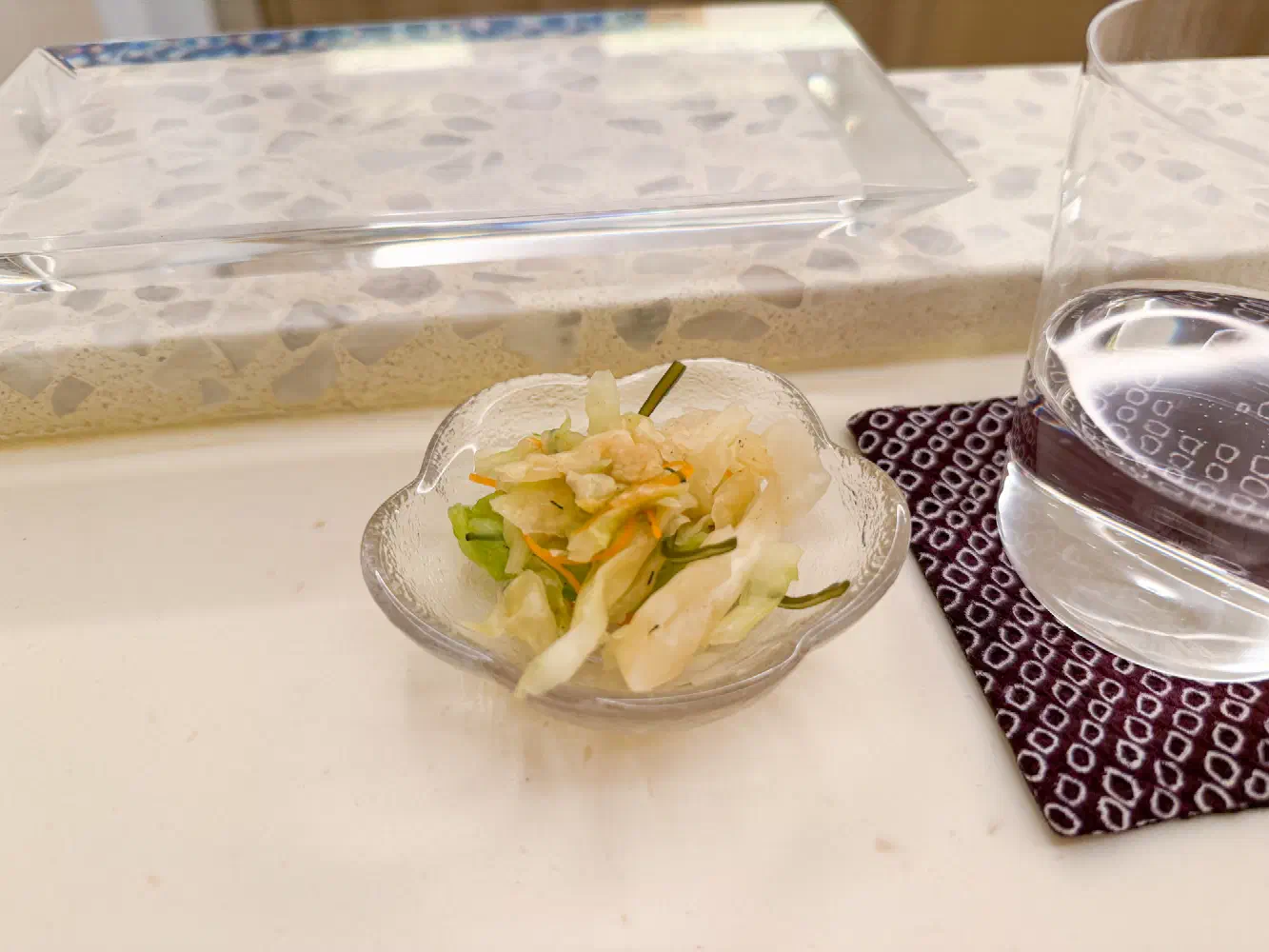
They served ginger earlier on, so this is now the cabbage. It tastes similar to other restaurants that serve this stuff to reset your palette.
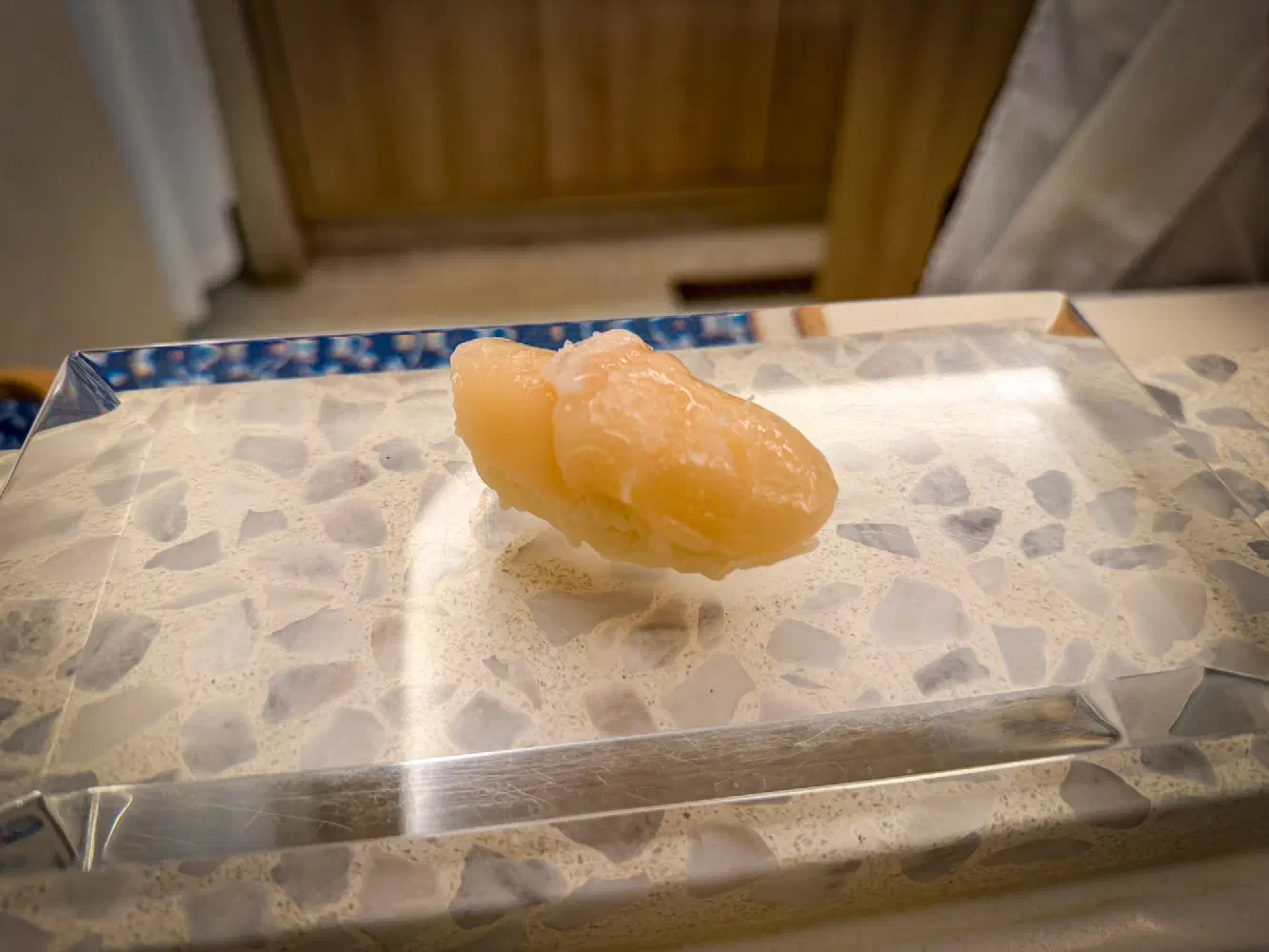
The Scallop comes from Seattle, so it was very sweet and cucumber flavored.
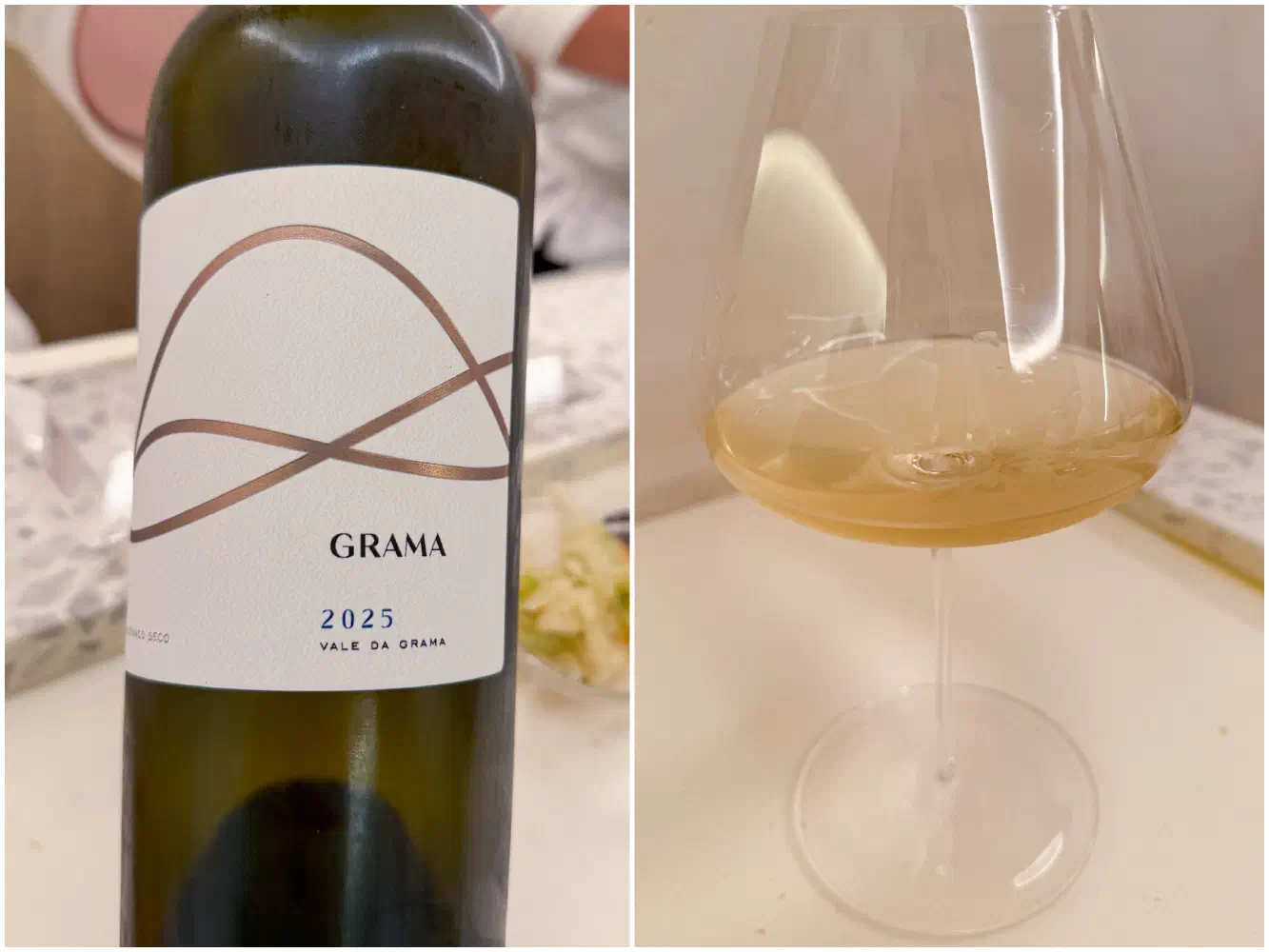
This is the glass of Casa Tes “Grama” (R$290), a Sauvignon Blanc from Sao Paulo, Serra da Mantiqueira, Brazil 2025. Who would have thought wine from Sao Paulo mountains would be possible? This sauvignon blanc has extremely strong, aromatic flavors of green apple. This was a dry white wine with very nice notes of the terrain there. The wine is a bit more fuller body than a typical cabernet sauvignon, but it still offers very bright and refresh minerality.
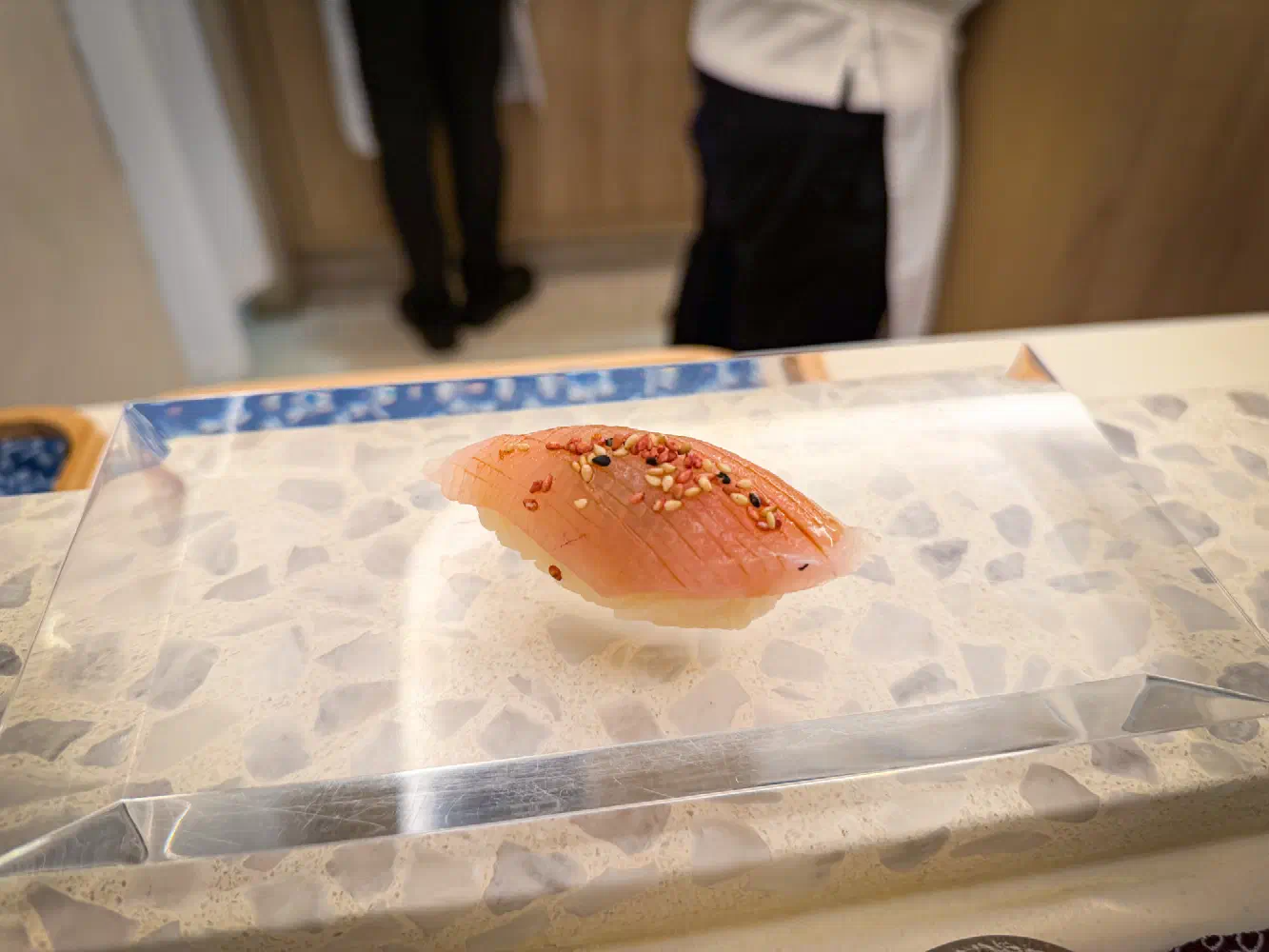
The Cherne is a prized, firm, and chunky white fish similar to grouper. With this cut, they layered it with some pepper flakes.
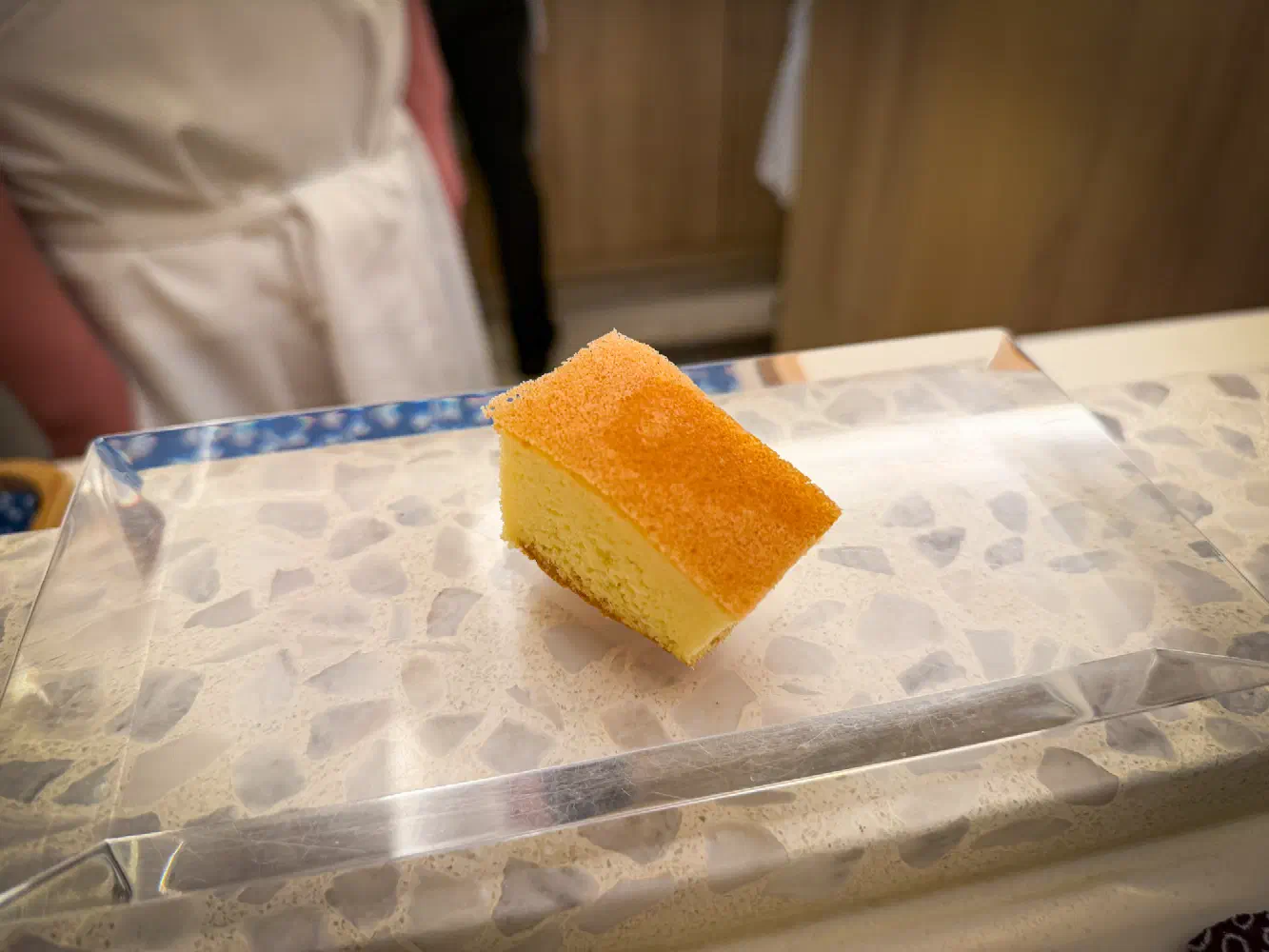
This is Kanoe’s Atsuyaki Tamago, which was so silky smooth and soft. What’s interesting about this is it’s not as sweet as tamago, and it has a lot of fish in it. The chef was explaining how they make this and how difficult it is because every measurement and preparation must be perfect. I’d honestly prefer this tamago over every other tamago I’ve tried. The chef mentioned he got a lot of inspiration from dining at Jiro’s in Japan.
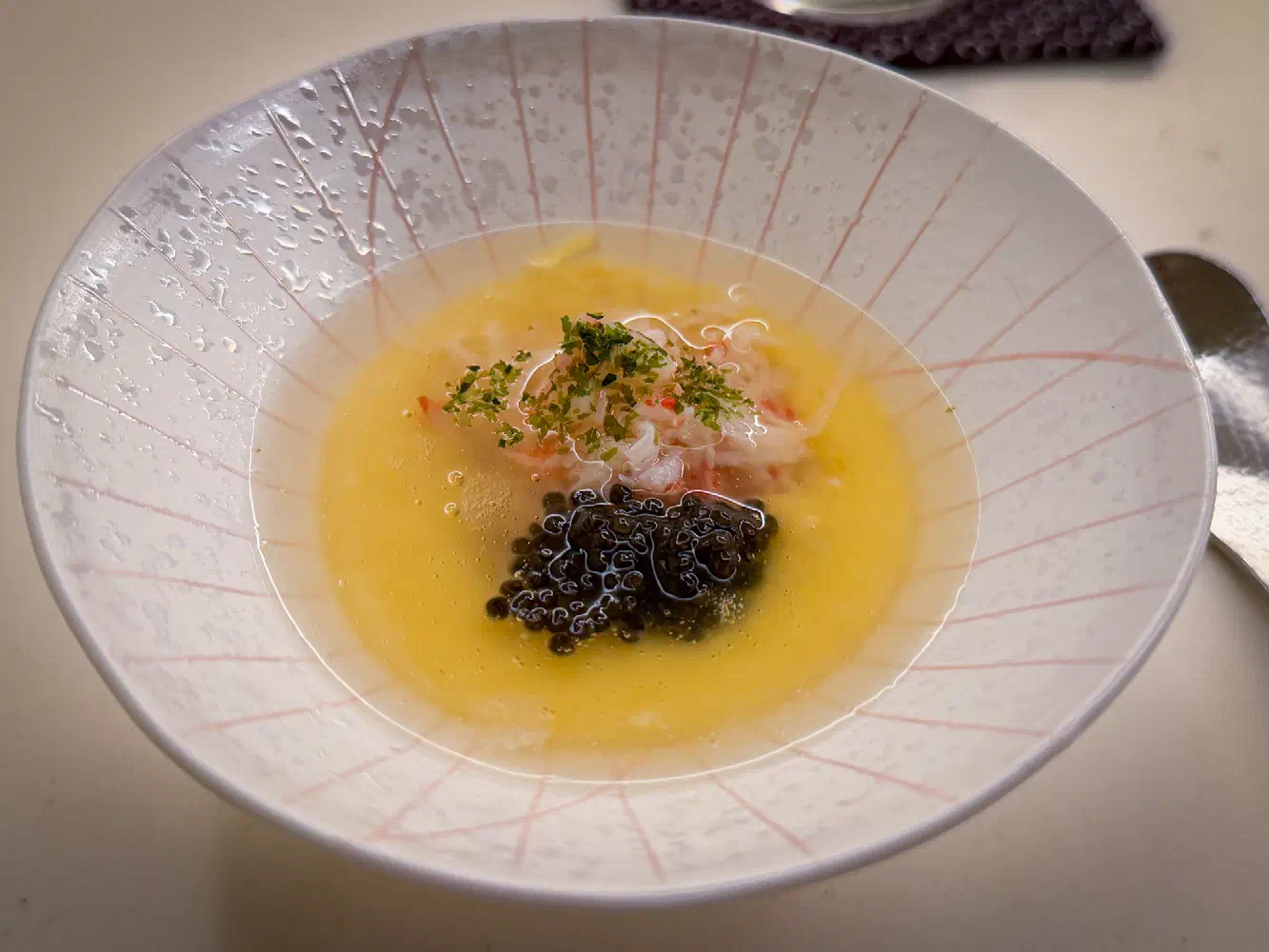
The Batata-baroa, Snowcrab, Caviar seemingly looks like a play on chawanmushi. For the starch, they use Brazilian mandioquinha, which is less earthy but somewhat close to a parsnip. It naturally has a lot of starch, and they made a puree out of it. The broth is made from the shell of the snow crab meat. I love the kitchen’s use of Brazilian ingredients to present an alternative side to typical Japanese dishes.
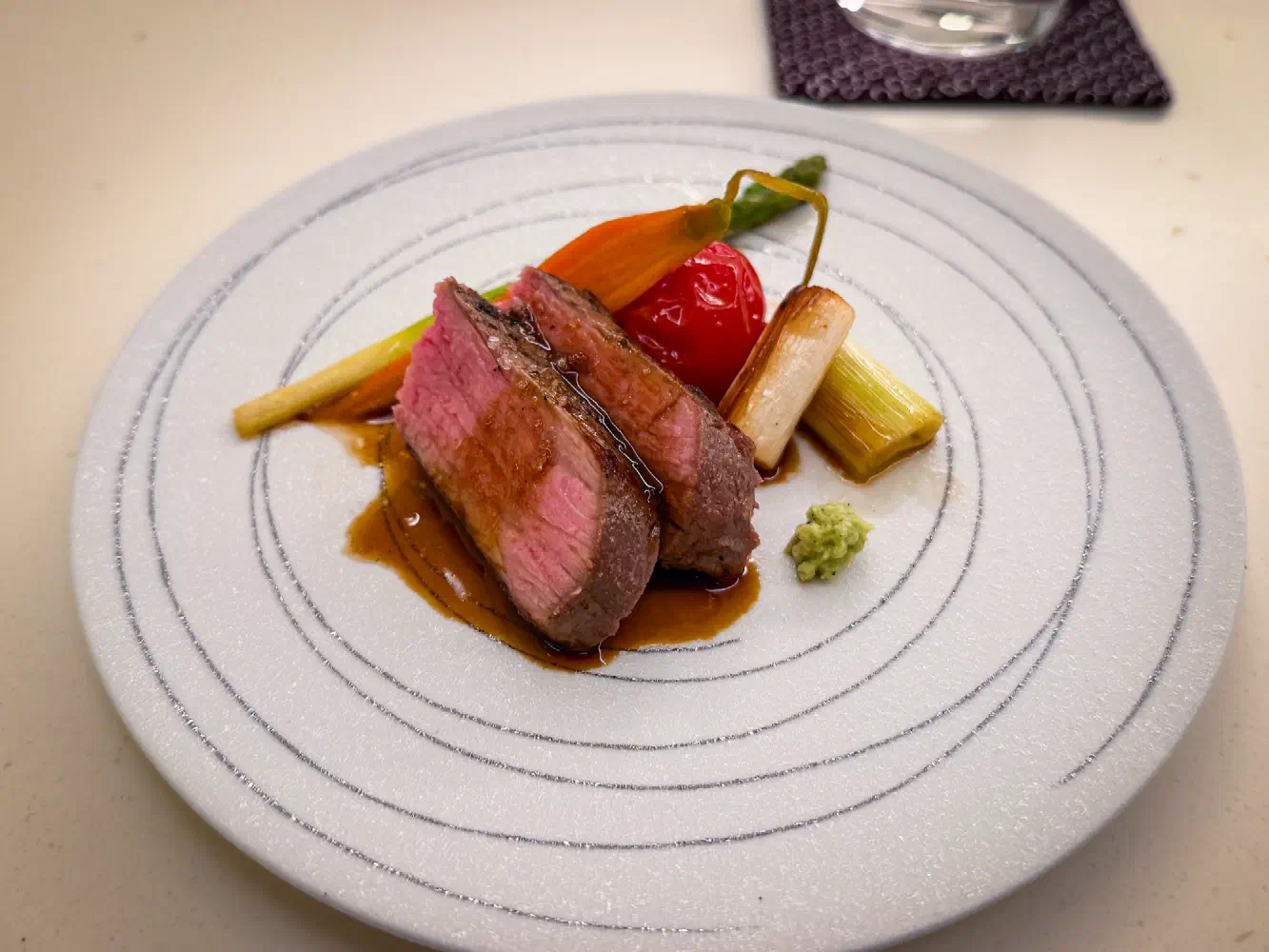
The Strip Loin, Wasabi, Sherry Demi-Glace was our meat course. This was a Brazilian wagyu cut, served with grilled vegetables and a vinegar sauce which is similar to Japanese yakiniku sauce. I had no idea there was such a thing as Brazilian wagyu, but this was quite incredible. The sirloin wagyu cut was quite dense, almost like a NY strip, but when you bit into it, it just melts like butter. When you look at it, you’d think it would just have normal steak texture. It was also incredibly flavorful as well. Wagyu tends to come out very fatty and not a lot of flavor, so this was an interesting change of direction. The vegetables are all pretty straight forward, but the star here obviously is the steak.
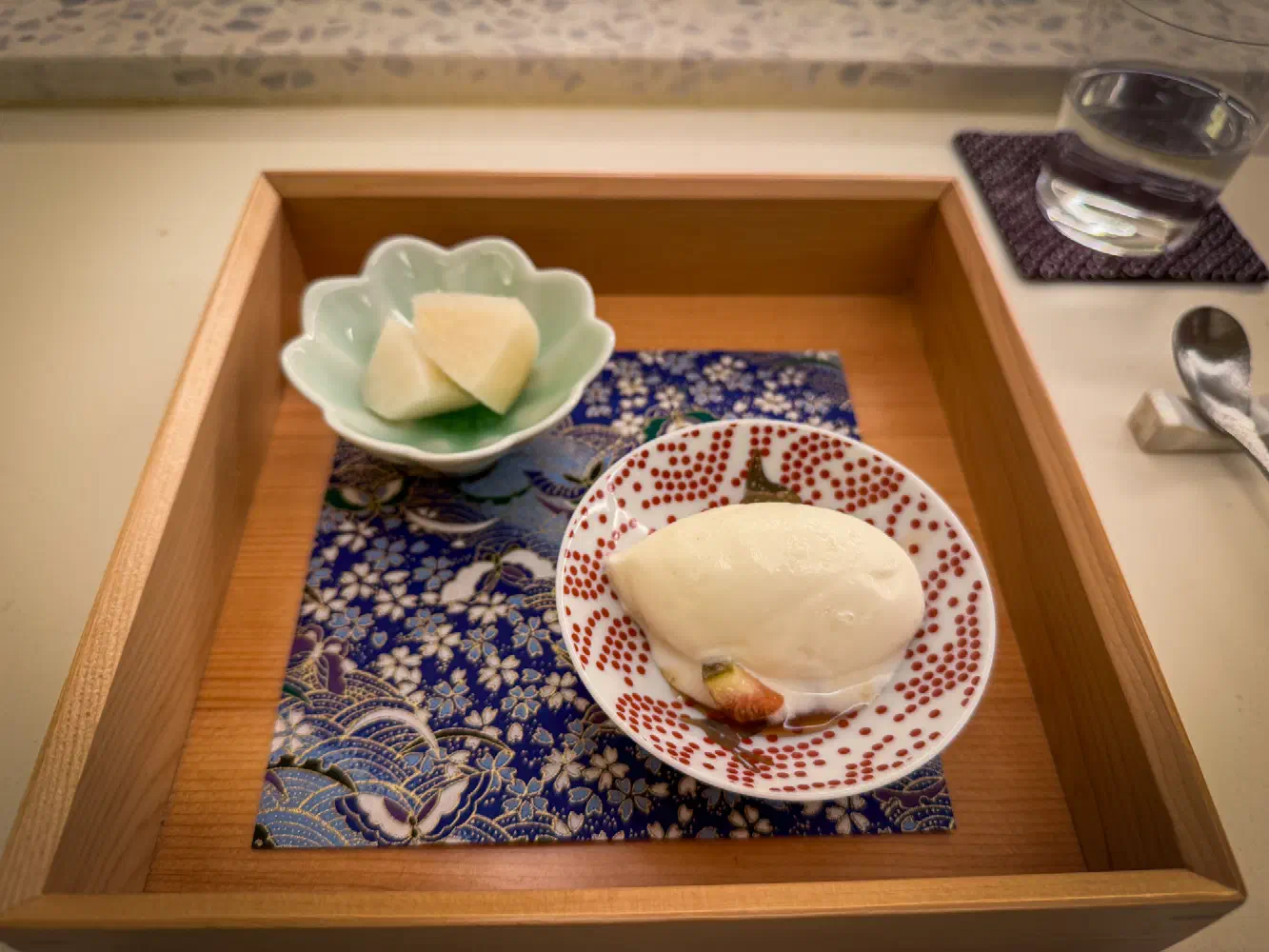
The dessert was composed of 2 things:
- Japanese nashi, which is also known as Japanese pear. This one is very similar to a Korean pear except it’s not as juicy and sweet. It has the same crunch, but not as good. This was grown in Brazil.
- Yuzu and Milk ice cream, which is served with a reduction of plum wine. The milk ice cream is sprayed with some yuzu, so the yuzu flavors are very prominent. For yuzu lovers out there, this is a joy to have for a dessert because of how aromatic the yuzu flavors are.
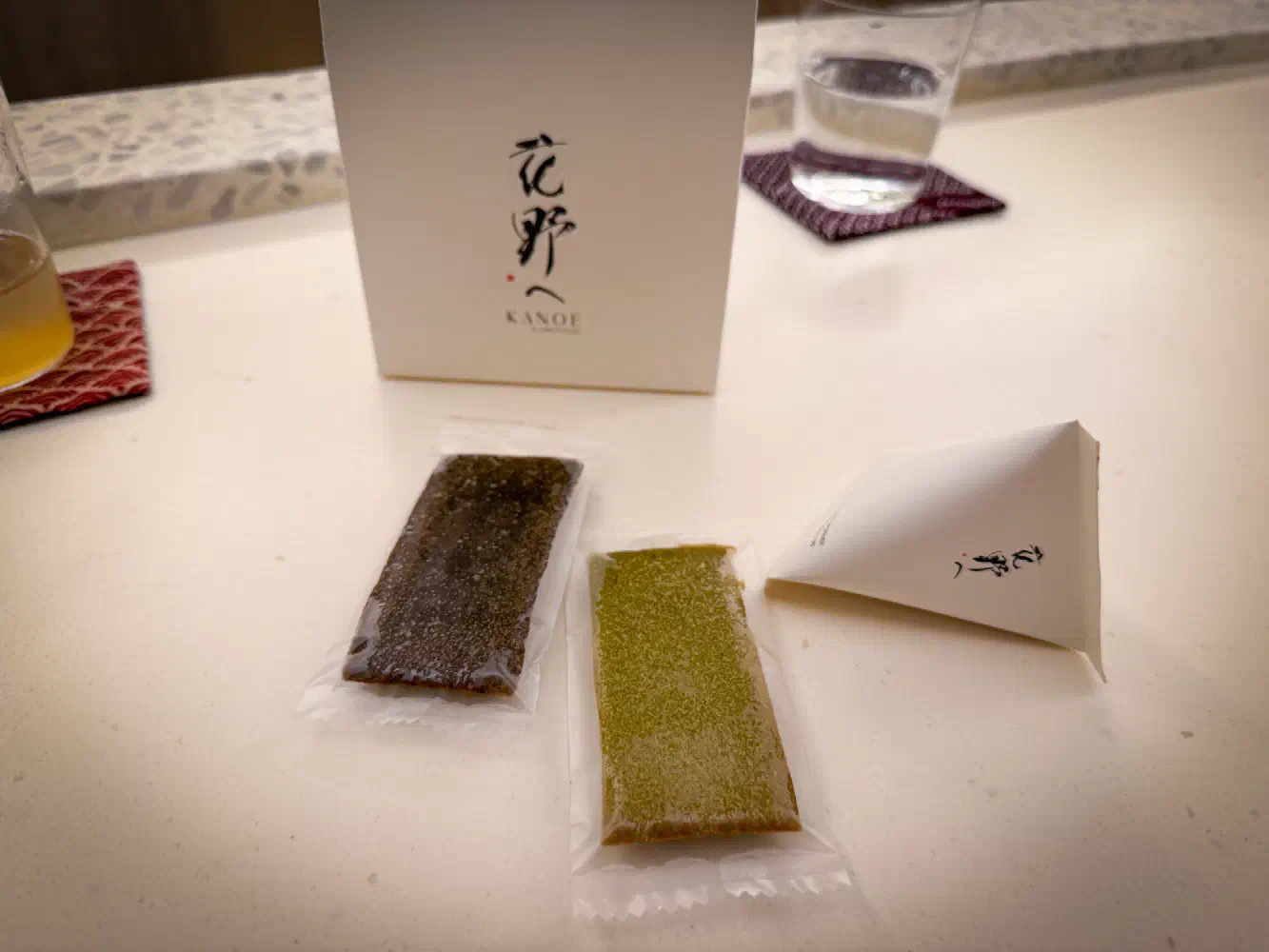
They gave take out boxes, where inside contained a black sesame cake, a green tea cake, and a tea to brew. You can also stick in the menu as well. The menus have haikus written as well to celebrate the seasonality of the menu and the restaurant’s mission.
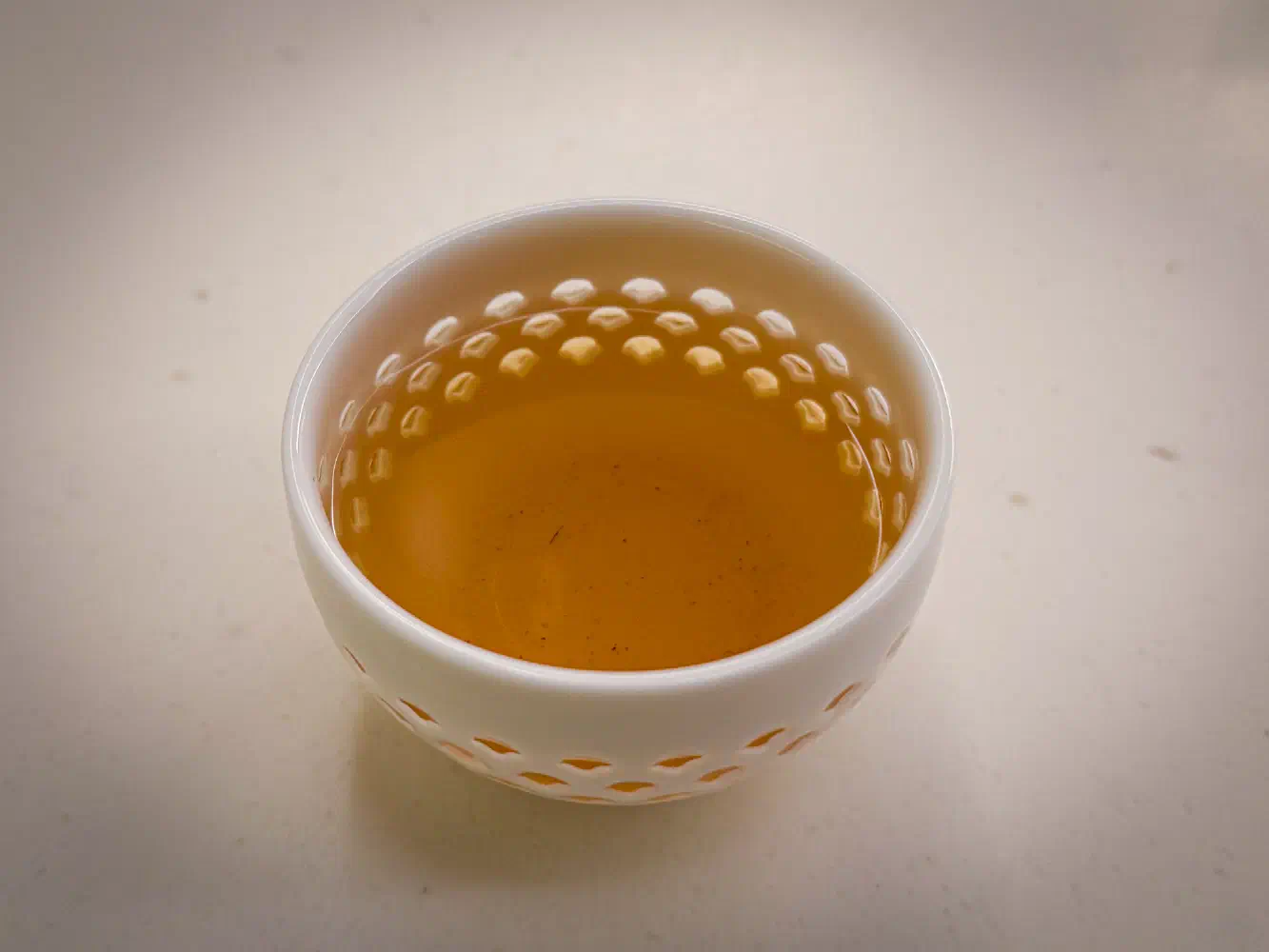
Last but not least, they roasted green tea leaves to make a lighter version of hojicha. The tea comes out not as earthy as normal hojicha, but also not as bitter as normal green tea. It was a very pleasant cap for the night. On a rare note, the sous chef did not prepare this quite to Chef Tadashi’s expectation, so he refired it up. It was great observing how calm he was in treating his staff.
Overall Impression
Kanoe is simply a superb Japanese restaurant that ranks high in my list for quality and a possibility to return to. They change their courses to accommodate seasonal changes, and the hospitality is very warm. The food all tasted excellent and was quite memorable. For some reason, I’m surprised that Michelin Guide didn’t rate this higher, as it’s far better than even some 2-star Japanese Michelin restaurants in NYC.
Yelp & Google Jabs
Unfortunately, there are very few reviews. Will wait it out to see if more people post their reviews for me to jab at.
Revisions
- Mar 10, 2026 - Initial revision.