
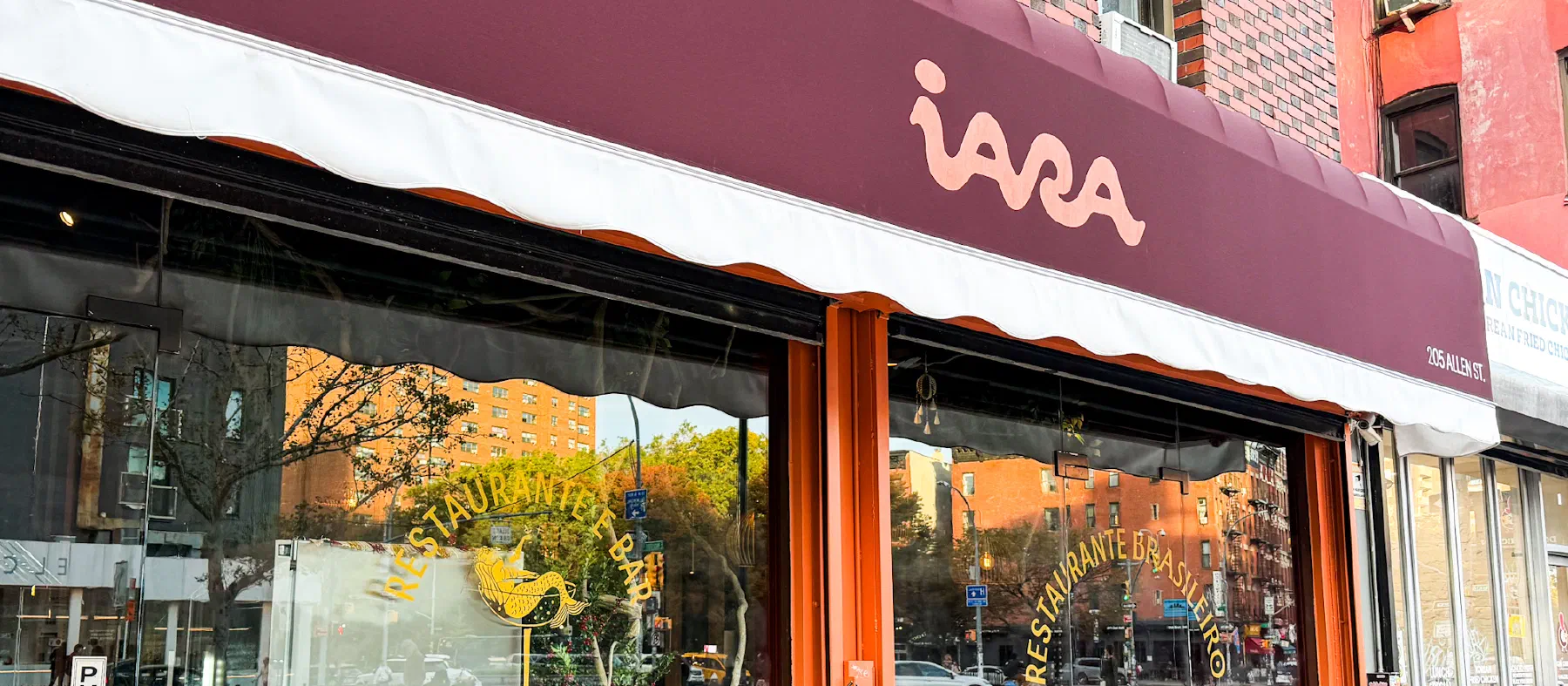
Iara brings Brazilian reimagined comfort food using Amazonian ingredients and unique flavors that people in NYC don’t typically experience. It comes from chef Vitor Mendez, who has spent time in New York City’s top kitchens including Theodora, the Fulton, and Chef’s Table at Brooklyn Fare. This is his first restaurant where he brings Amazonian ingredients in a more elevated setting. Reservations for this restaurant were quite difficult to get, but somehow I was able to make this reservation for 2 for 5:30 PM on a Wednesday evening about 2 weeks in advance. This restaurant is located adjacent to the F-train off 2nd Avenue, right near Kisa.
Ambiance & Service
Upon entering the restaurant, we noticed the restaurant was pretty small, but there was a grill that reminded us of A Casa do Porco in São Paulo. The vents in the restaurant seemed to not be powerful enough because you can smell the charcoal. There’s a kitchen counter that faces the grill and the preparation. We were seated in the dining area that was adjacent to this area. The seating is pretty tight, so it’s relatively easy to hear adjacent conversations.
The service itself was pretty fast, and the wait staff is attentive to cleaning up and rotating your plates. Many of the wait staff are Brazilian, so they can speak in Brazilian Portuguese if that’s your desire. It seems the staff realized these ingredients are uncommon in NYC, so they ask if you are familiar with Brazilian ingredients.
Food
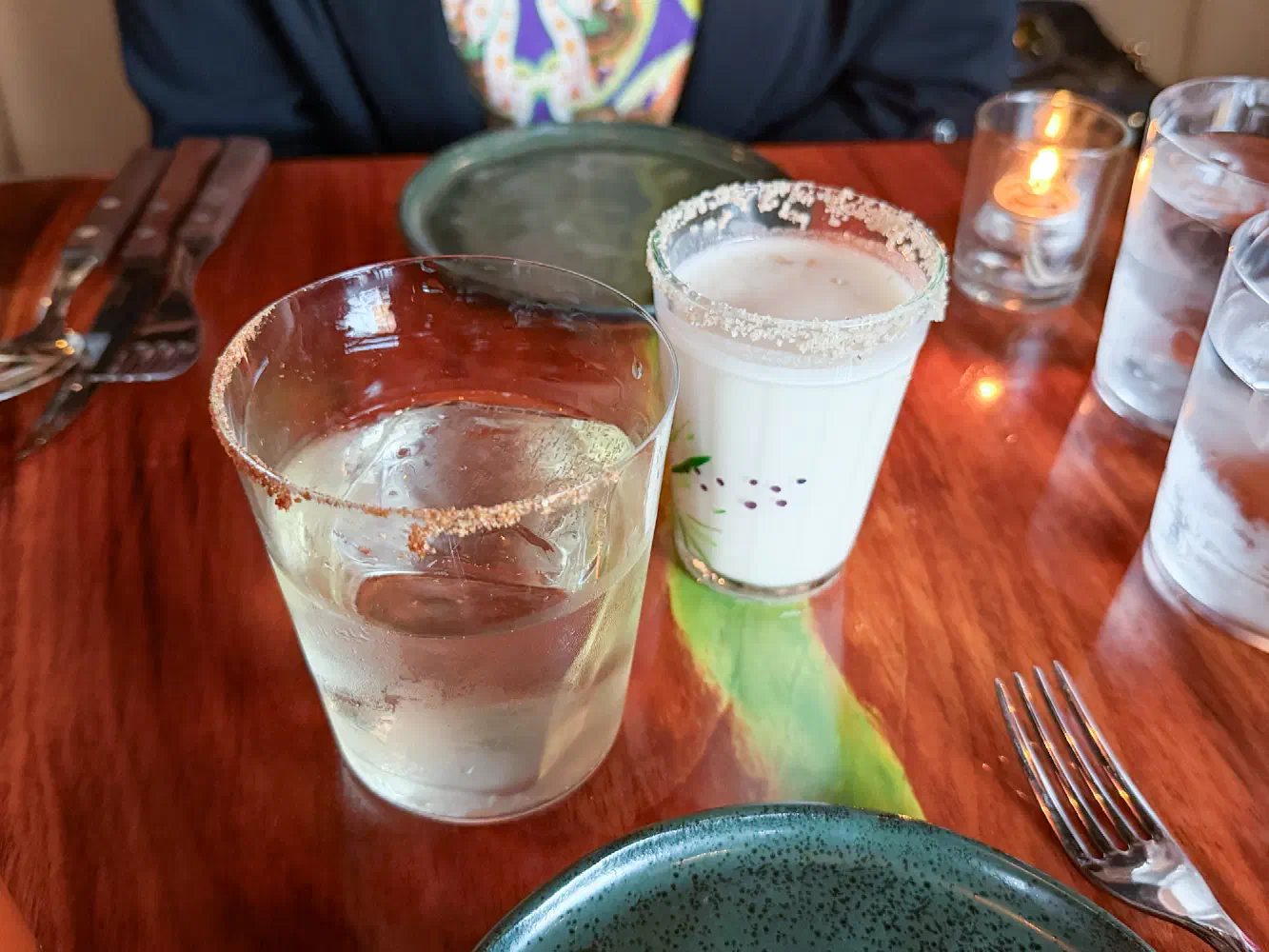
The Batida de Coco ($18 - right) came with Seleta Gold Cachaça and Coconut Puxuri rim. Batidas are basically creamy Brazilian tropical cocktails made with cachaça. This one in particular with made with coconut flavors. We’ve had better, but this one was a decent introduction to those unfamiliar with Brazilian cocktails.
The Iara ($20 - left) came with Cupuaçu, Pox, and Brazilian Vanilla Honey. The cupuaçu was subtle, and you know it’s there. But it’s not as bold as what I would’ve preferred. Pox is a liquor made of corn, sugar cane, and wheat. It is relatively mild, similar to rum. If you want to get a dose of cupuaçu even at the subtle level, try this drink out. Otherwise, I’d skip it because it’s really small.
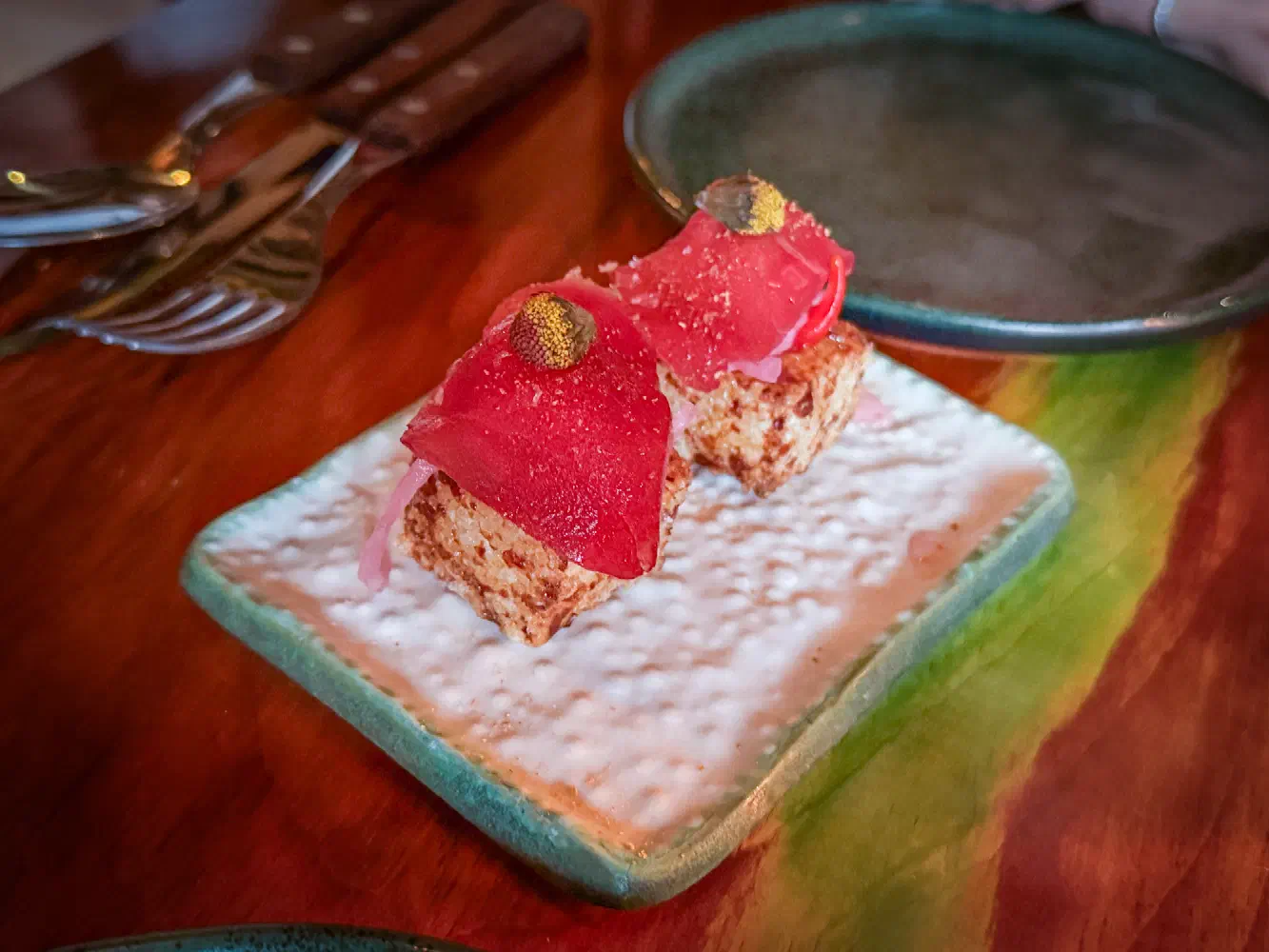
The Dadinho de Tapioca ($16) came with crispy tapioca, yellowfin tuna, smoked biquinho pepper, and jambu. This was an expensive appetizer with just 2 bites, but they were pretty good. Biquinho peppers are delicious as they have very little heat but have an interesting tart flavor to them. The tapioca was not as crispy as I preferred, and the jambu was largely non-existent in flavors. We both felt that the flavors of this were adjusted to be mild for American tastes, but it was still decent. For reference, we compared this to the version at Balaio IMS, and unfortunately the one in Brazil was still much tastier.
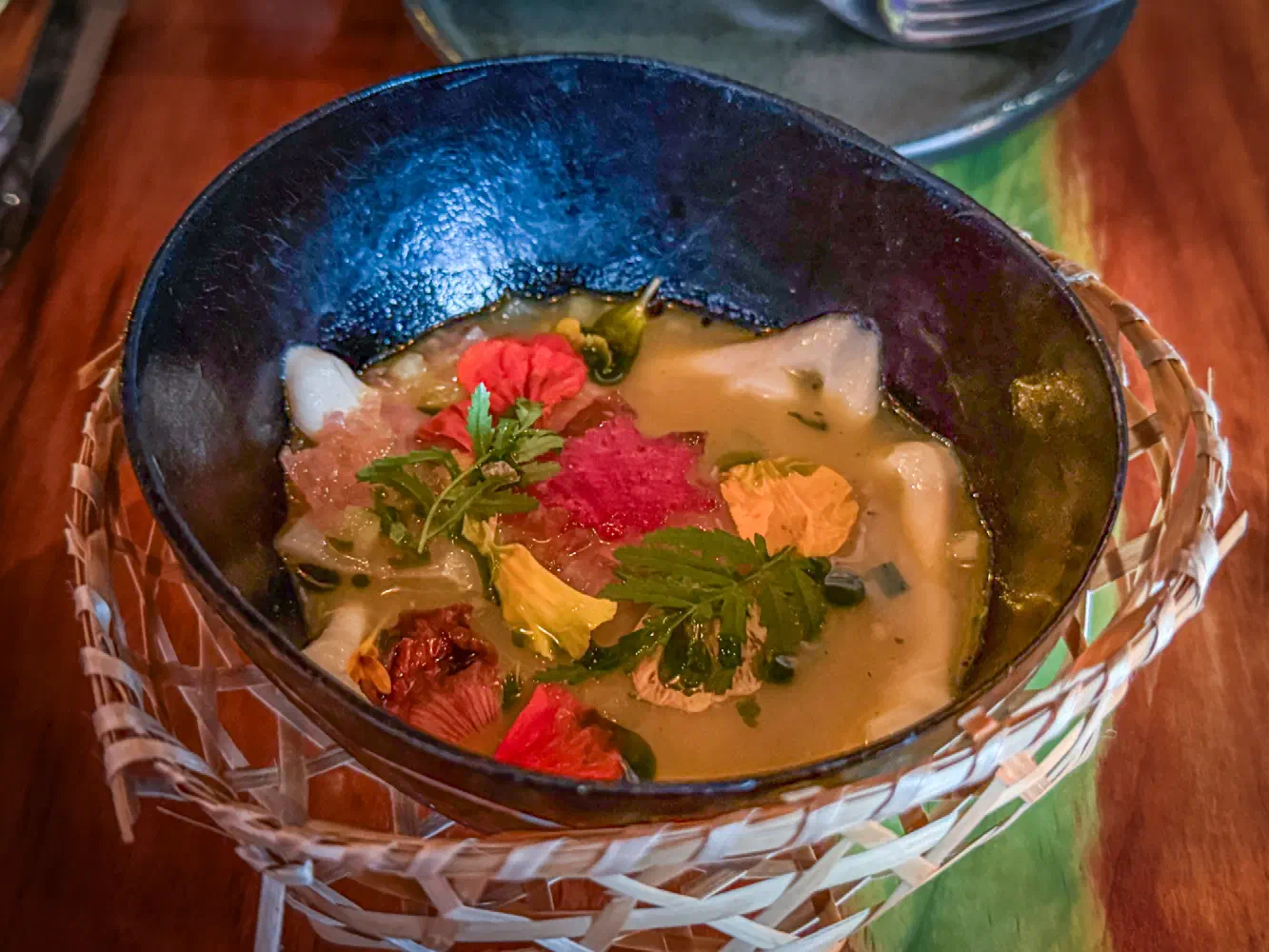
The Ceviche com Tucupi ($21) came with dry-aged hiramasa, cashew nut, tucupi vinaigrette, charred plantain, and herbs. Tucupi is a sour broth and culinary sauce from the Amazon region of Brazil, and it’s extracted from bitter, poisonous wild manioc root. It has a slightly tangy, acidic and earthy flavor to it. This was very subtle, but very well balanced and tasty. Portion wise, it’s definitely on the smaller side.
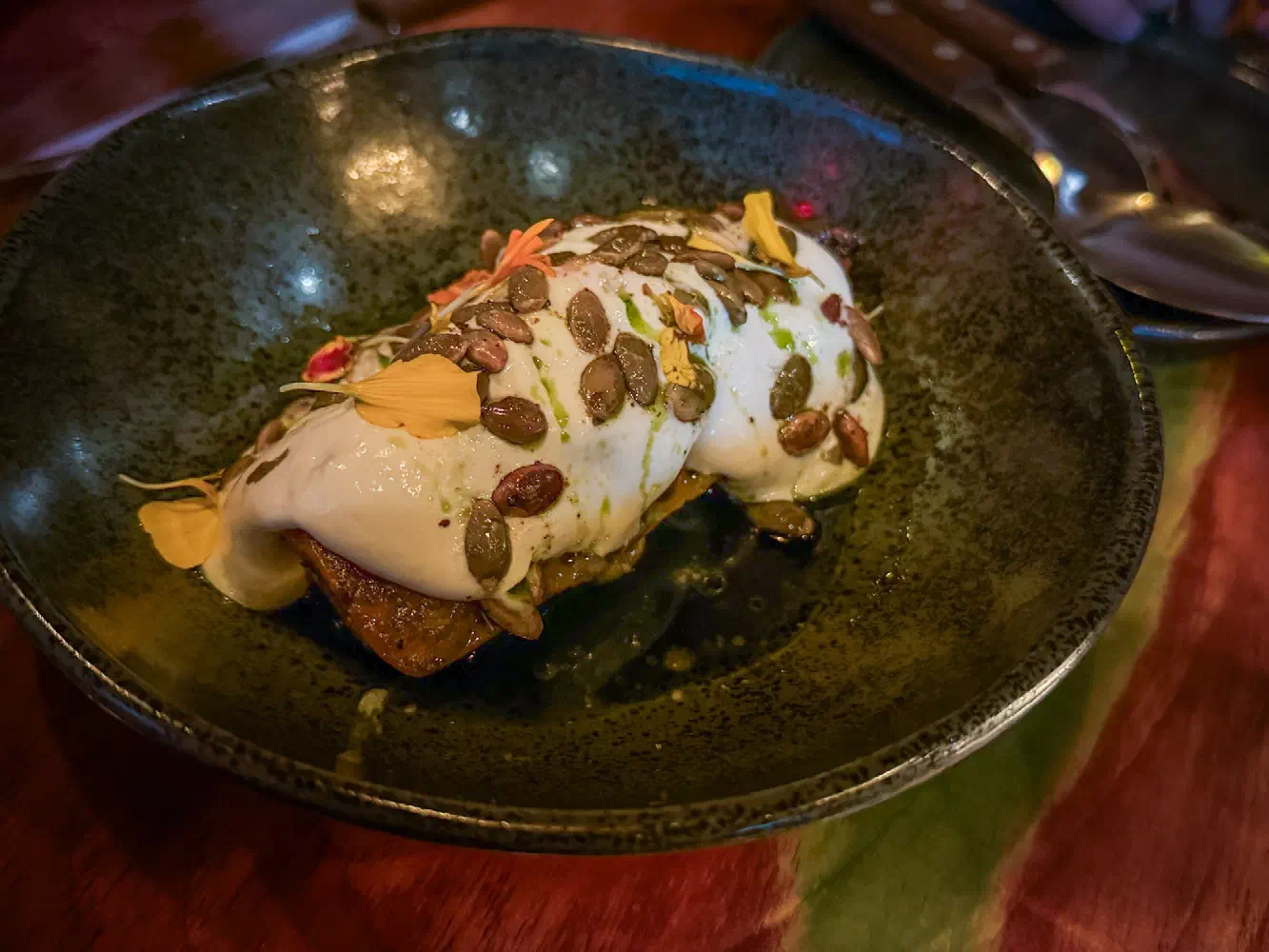
The Caranguejo na Moranga ($24) came with honeynut squash, jonah crab, parmesan, and Amazonian spiced pumpkin seeds. The squash was under the melted parmesan cheese. Inside the cheese, it was mixed with torn crab meat that gave it a subtle sweetness to it. The star of the show was definitely the pumpkin because you could easily miss the crab meat. The pumpkin seeds were good, and the overall flavors of this dish were pretty good too.
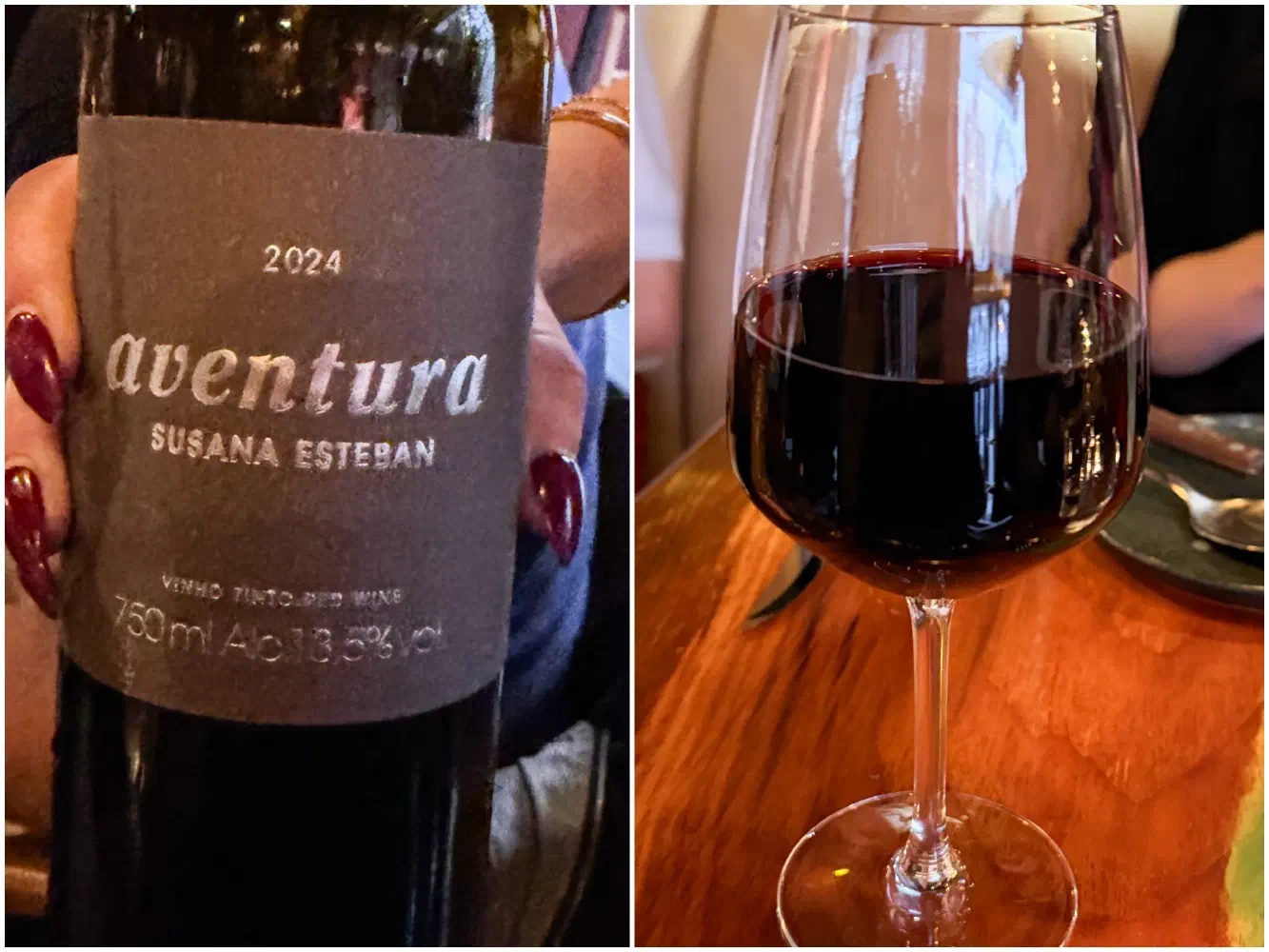
The Susana Esteban Aventura Tinto ($18) came from Alentejo, Portugal 2024. This was wine with aragonez (tempranillo) and touriga nacional grapes from Portugal. The wine was very approachable with fresh and fruity red flavors. It reminded me a little of a fuller pinot noir but with slightly less character.
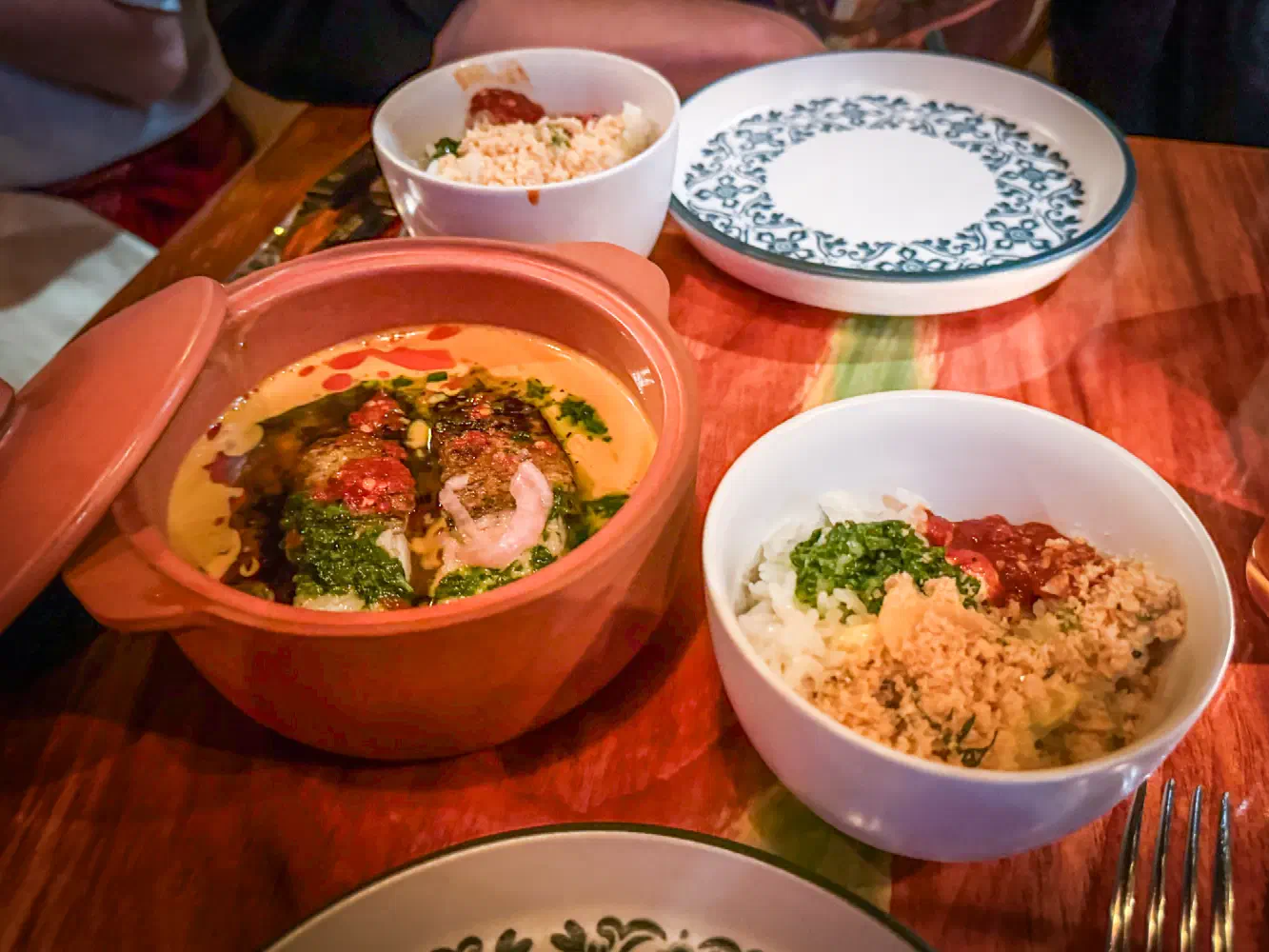
The Moqueca ($48) came with dry-aged tilefish, coconut dendê broth, and Hudson Valley rice. The tilefish was cooked perfectly, and the coconut dendê broth was sublime. It was a very well prepared interpretation of moqueca, and with the rice, it was basically similar to porridge. I felt the moqueca could have used a bit more seafood in it especially at this price point, but I do think the flavors were elevated.
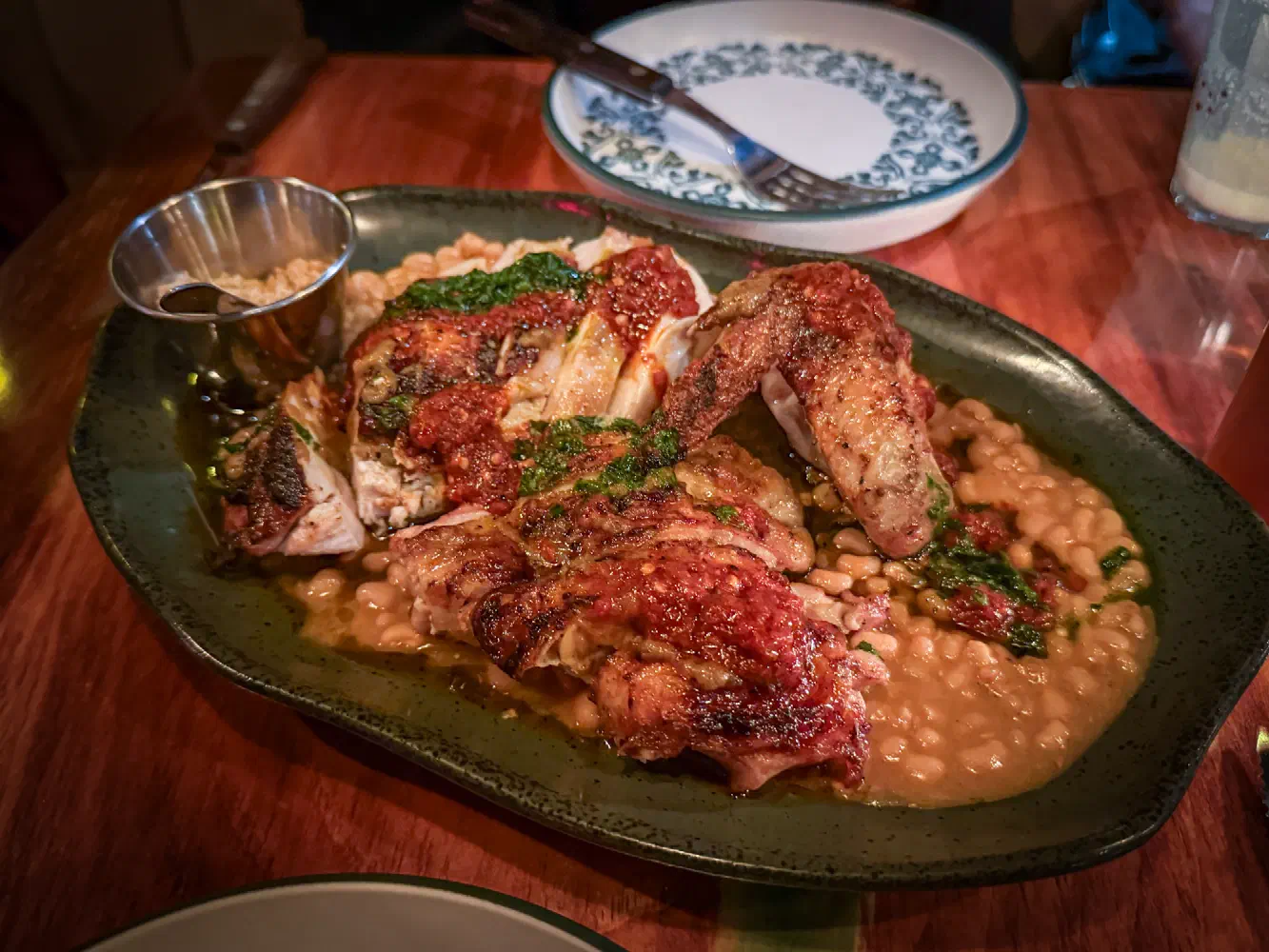
The Frango Amazonas ($38) came with charcoal-grilled Amazonian spiced chicken, manteiguinha beans, and molho verde. The spiced chicken reminded me a bit of Portuguese-style piri-piri chicken. There is some heat to this, which is uncommon in Brazilian cuisine. I thought the chicken was pretty tasty, but also on the saltier side too. It came with some farofa, which was good but not much different than normal Brazilian restaurants. The manteiguinha beans are also known as butter beans because they can smear into a creamy, umami flavor that doesn’t remind you of traditional beans. One of my favorite preparations of this ingredient was at Manioca in the fish course.
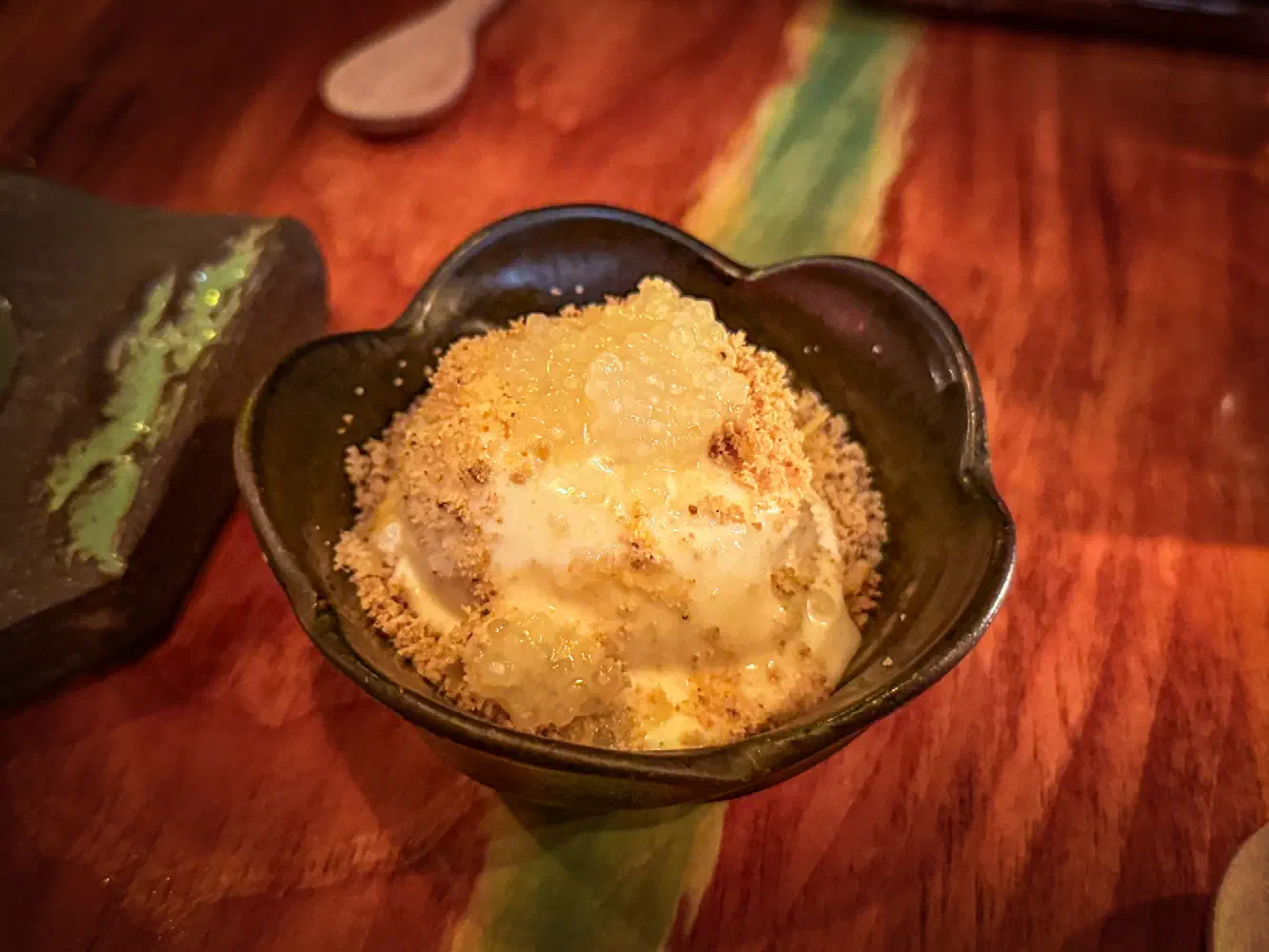
The Sorvete ($12) came with Cupuaçu Gelato, Tapioca Pearls, Puxuri Curd, and Sweet Farofa. The cupuaçu flavors here were a bit more prominent than the earlier cocktail, and overall, this was pretty good. I’d recommend this to get a feel of how this ingredient fits into a dessert.
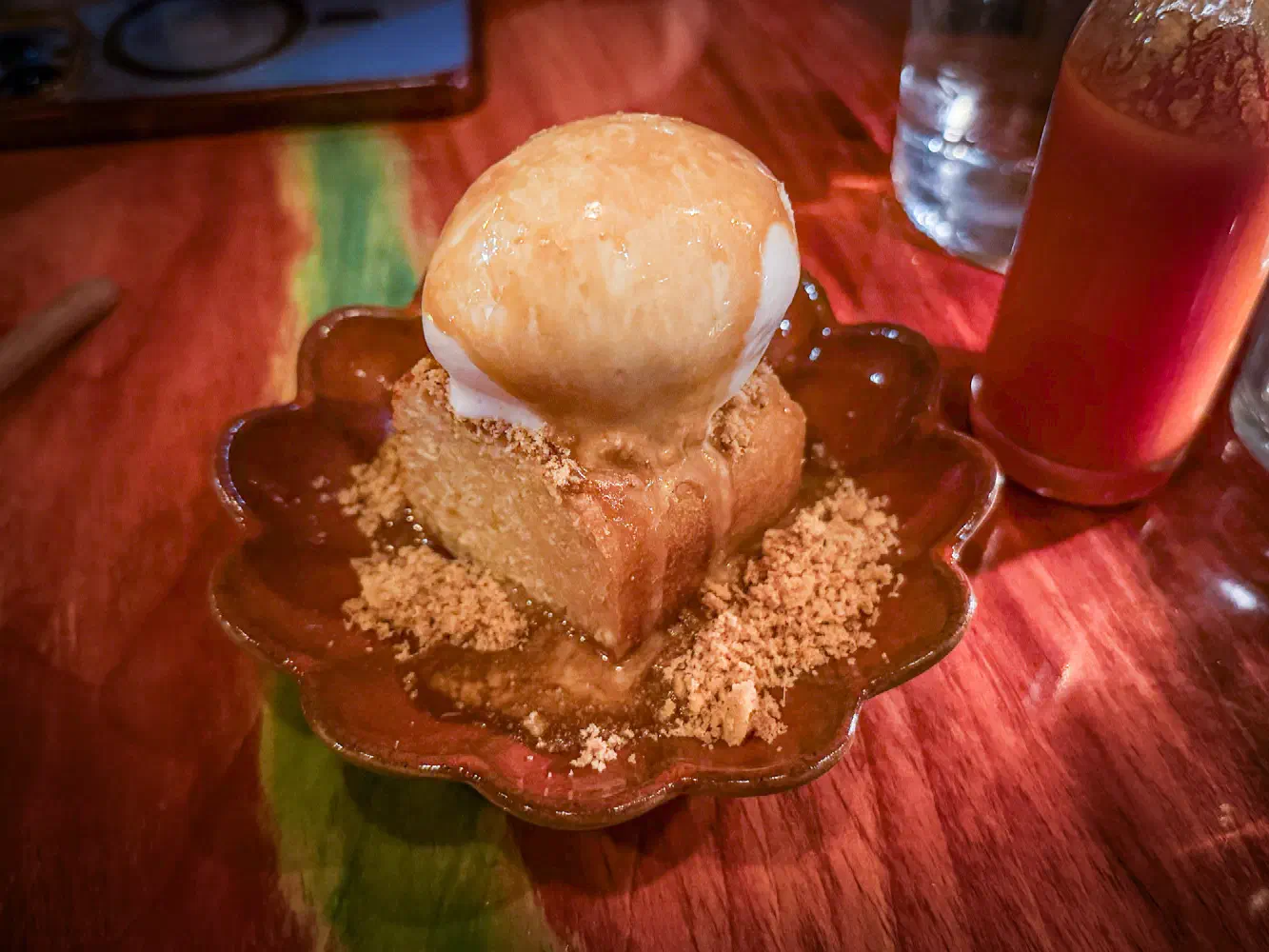
The Bolo de Mandioca ($14) came with Cassava Coconut Cake, Coconut Lime Sorbet, and Cumaru Toffee Sauce. This is one of my favorite dishes in Brazil. When I stayed in a hotel in Natal, they had a morning buffet where they served this everyday, and I would just eat a ton of these. This version in this restaurant reminded me of that preparation, but it was slightly drier and crispier. The version that I had was very moist and didn’t really remind you of a cake. Regardless, give this a try because it was pretty good for what it was.
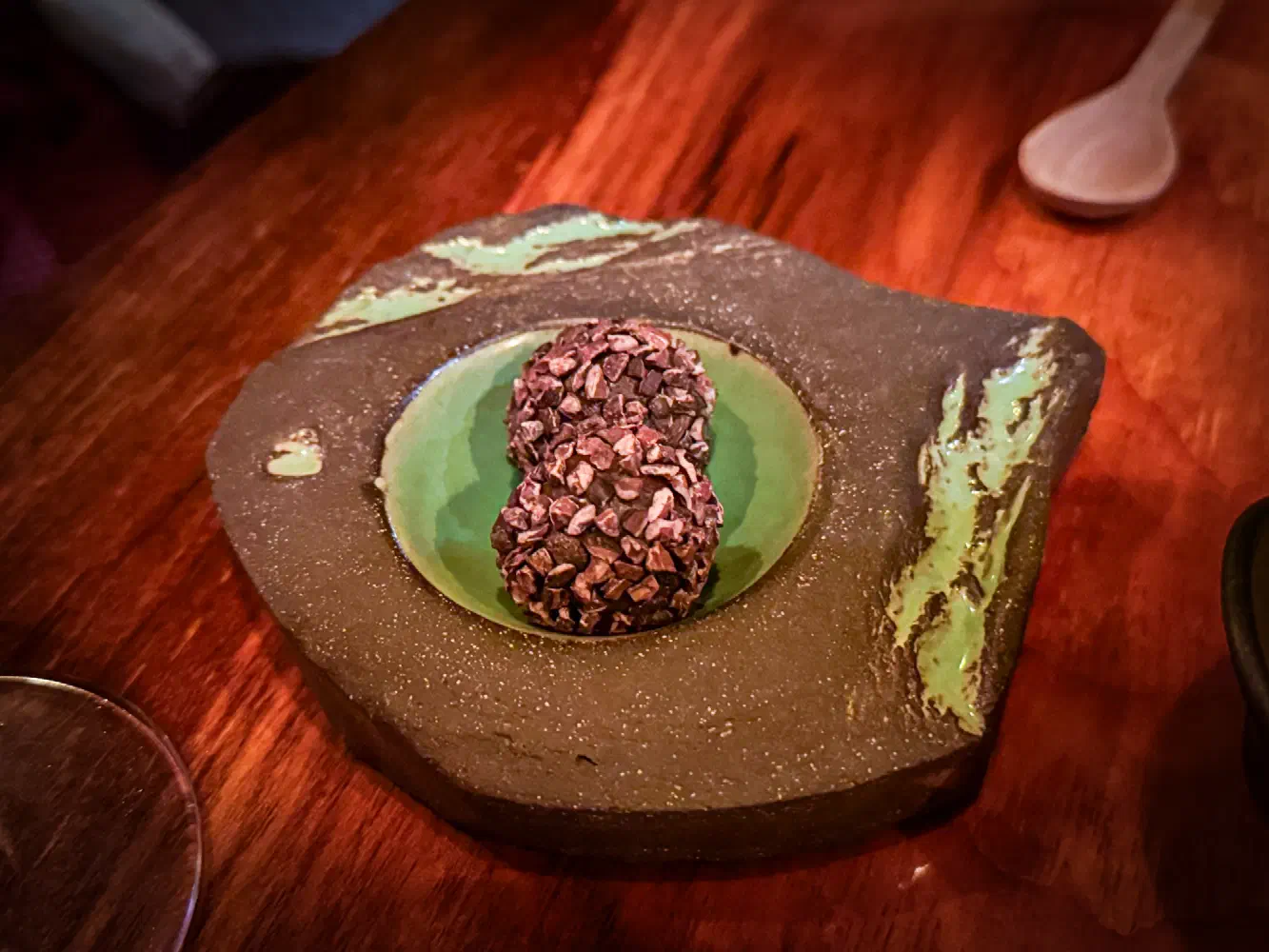
The Brigadeiro ($5) came with Chocolate Fudge bon-Bon and Cocoa Nibs. I’m typically not a fan of brigadeiros, which are basically fudge bites. This version was pretty good with the cocoa nibs, but they are basically bites of fudge. For the price, it certainly is something you should try to see if it’s different than what you’re used to.
Overall Impression
When I went to Iara, I was expecting to relieve my culinary food experiences from Brazil, and I got a more tamed version of it. I think the restaurant does a good job bringing those Brazilian flavors into an American setting. Some of the Amazonian ingredients are more subtle, arguably balanced, but if you are curious what Brazilian ingredients in fine-dining restaurants taste like, this should give you an early sense of it. Definitely try this restaurant out, and hopefully it will help NYC become even more diverse in this cuisine that is more than just feijoada.
Yelp & Google Jabs
You must order the picanha and the pao de queijo
If you have been to enough Brazilian restaurants, I really encourage folks to explore other courses and dishes other than just picanha and pão de queijo. They may be good, but you should venture out to try other things that represent the culture a bit more.
I’m Brasilian and unfortunately none of the spots are good until now
This definitely brought an elevated take on Brazilian food that’s uncommon in NYC. Hopefully this continues to attract chefs looking to offer something unique and tasty. Two of our favorite Brazilian restaurants we’ve been to, Tuju and Evvai brought elevated, decadent dining to a whole new level that isn’t just French.
Revisions
- Oct 21, 2026 - Initial revision.